
Women’s Health Interventional Procedures | Interventional Gynecology Procedures
Embolization | Age: Adults
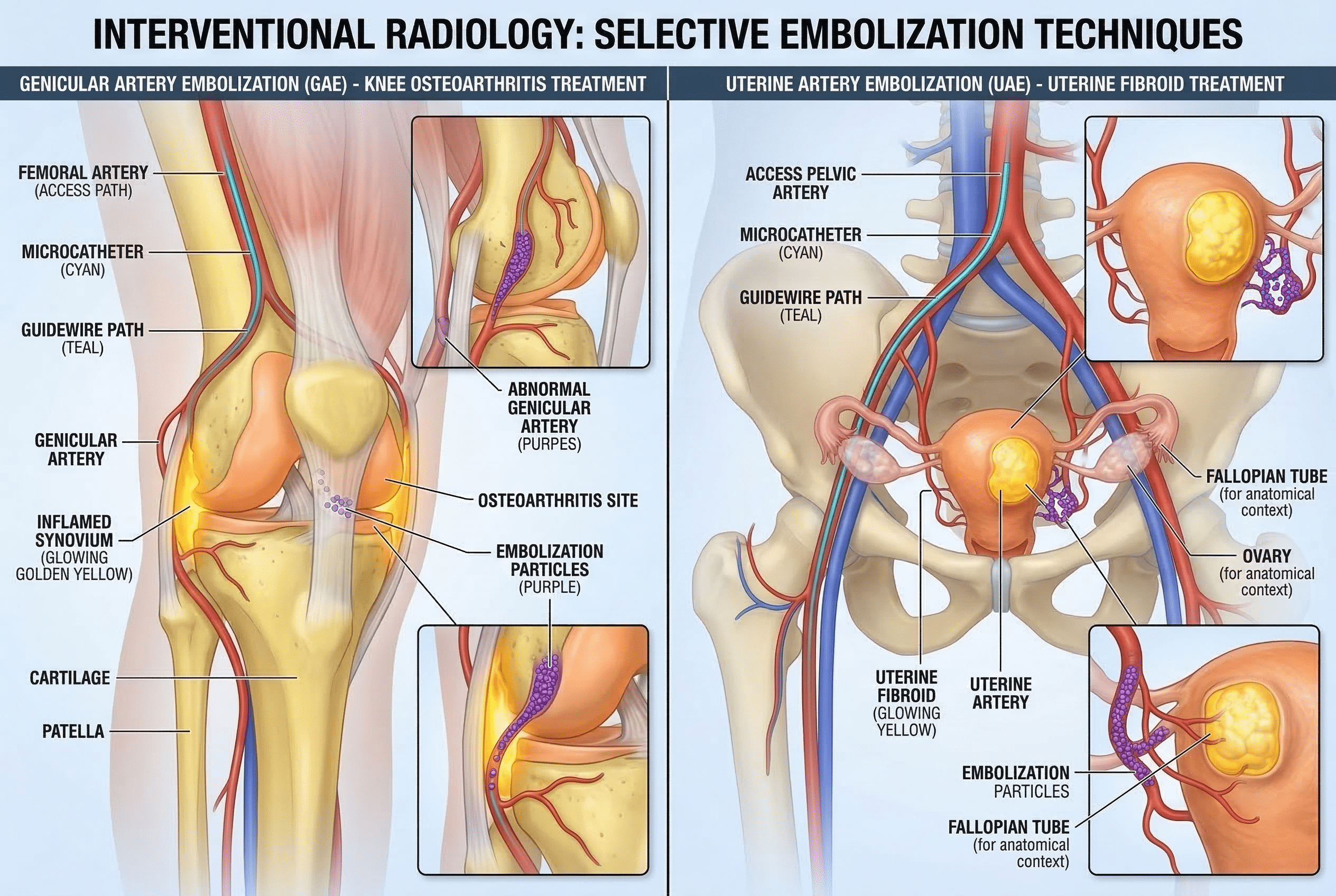
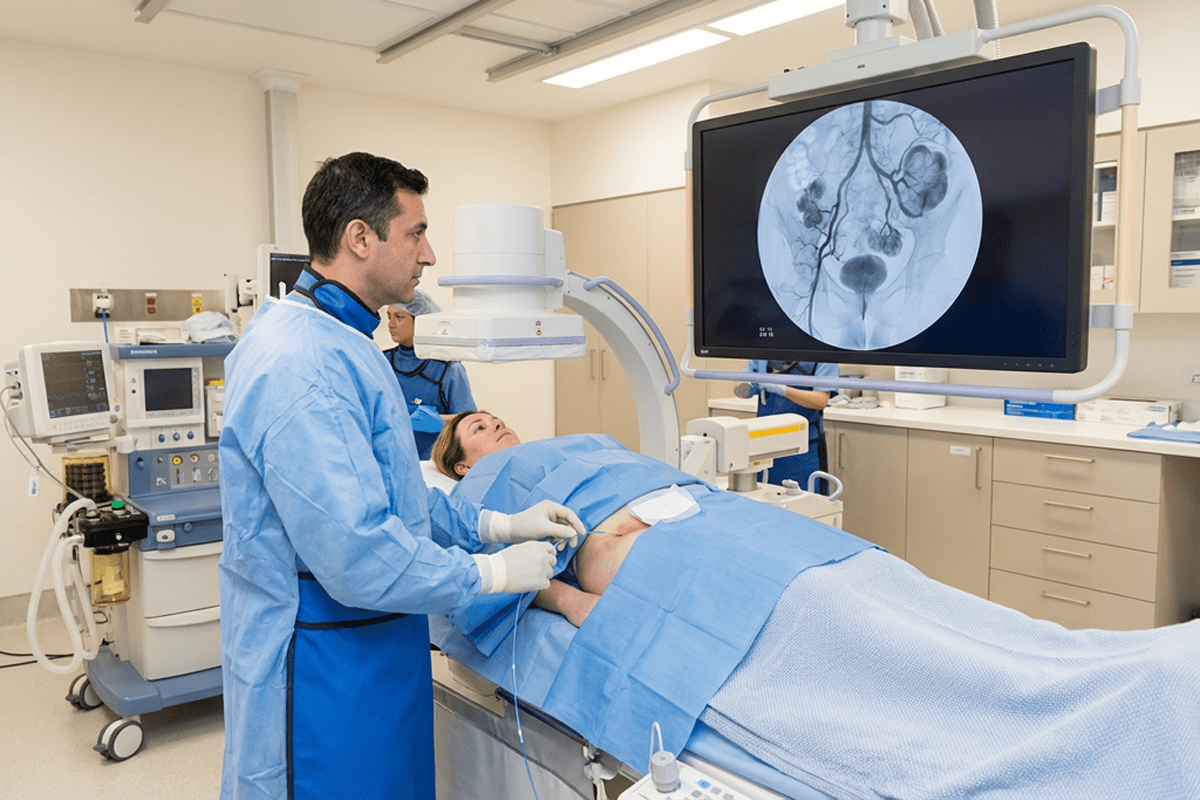
Uterine AVM embolization is a minimally invasive, image-guided interventional radiology procedure used to treat uterine arteriovenous malformations (AVMs)—abnormal connections between arteries and veins in the uterus that can cause severe or recurrent uterine bleeding. Using angiographic guidance, embolic materials are delivered through a catheter to selectively block abnormal blood vessels, stopping bleeding while preserving healthy uterine tissue. This targeted approach avoids open surgery and allows rapid stabilization in both emergency and planned settings.
Uterine AVM embolization is highly effective for women of reproductive age and those seeking uterus-preserving treatment. It offers fast symptom control, reduced blood loss, and shorter recovery compared with hysterectomy or surgical vessel ligation, making it the preferred first-line treatment for most uterine AVMs.
Internal links: Women’s Health Interventional Procedures, Interventional Gynecology Procedures, Embolization
Ultrasound, CT, or MRI and blood tests confirm diagnosis. You may need to fast and adjust medications before the procedure.

The procedure lasts about 60–90 minutes and is performed under local anesthesia with conscious sedation. Patients remain comfortable and closely monitored.

Most patients experience rapid bleeding control and are discharged within 24 hours. Normal activities usually resume within a few days.
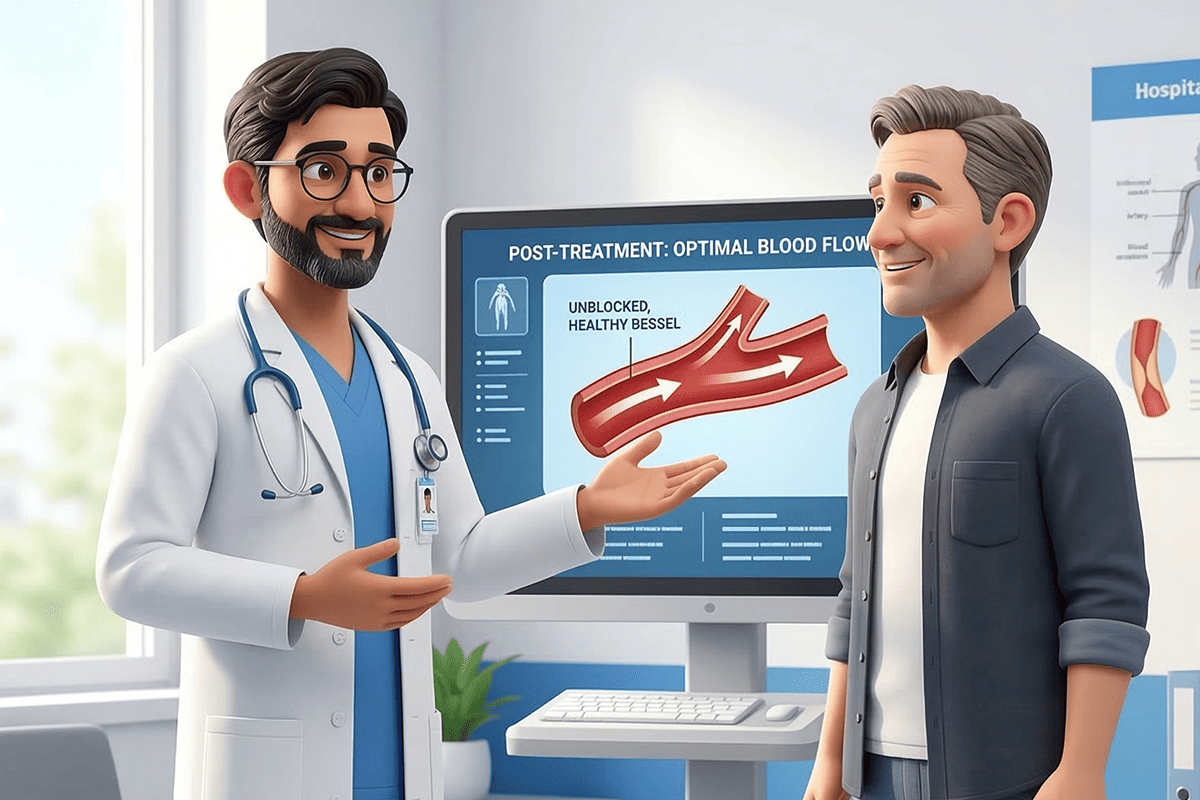
Uterine AVM embolization is safe and well established when performed by experienced interventional radiologists. Temporary pelvic pain, mild fever, or fatigue may occur. Rare risks include infection, non-target embolization, or recurrence. Careful imaging guidance and follow-up ensure safety and long-term success.
Yes, it has a high success rate in controlling bleeding and treating AVMs without surgery.
In many cases, yes. The uterus is preserved, and successful pregnancies have been reported after treatment.
It can be, especially if bleeding is severe. Embolization allows rapid, life-saving bleeding control.
Bleeding often stops immediately or within hours after embolization.
With a commitment to patient comfort, our clinic combines cutting-edge interventional radiology with compassionate care.
connect@drsudhirvasistha.com
Copyright © 2026 All Rights Reserved. Dr. Sudhir Vasistha | Design, Developed & Powered by Better Choice