Women’s Health Interventional Procedures | Interventional Gynecology Procedures
Embolization | Age: Adults
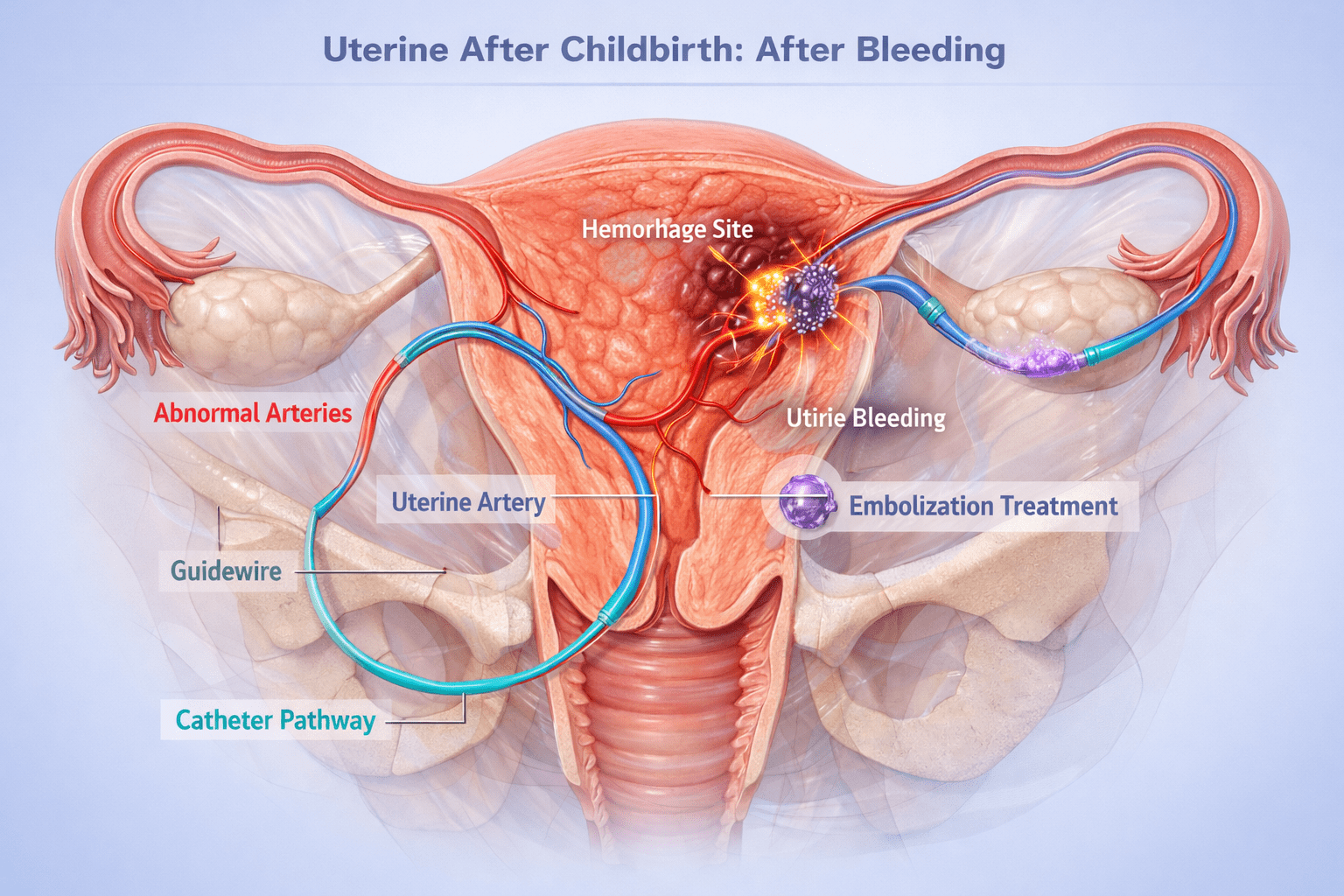
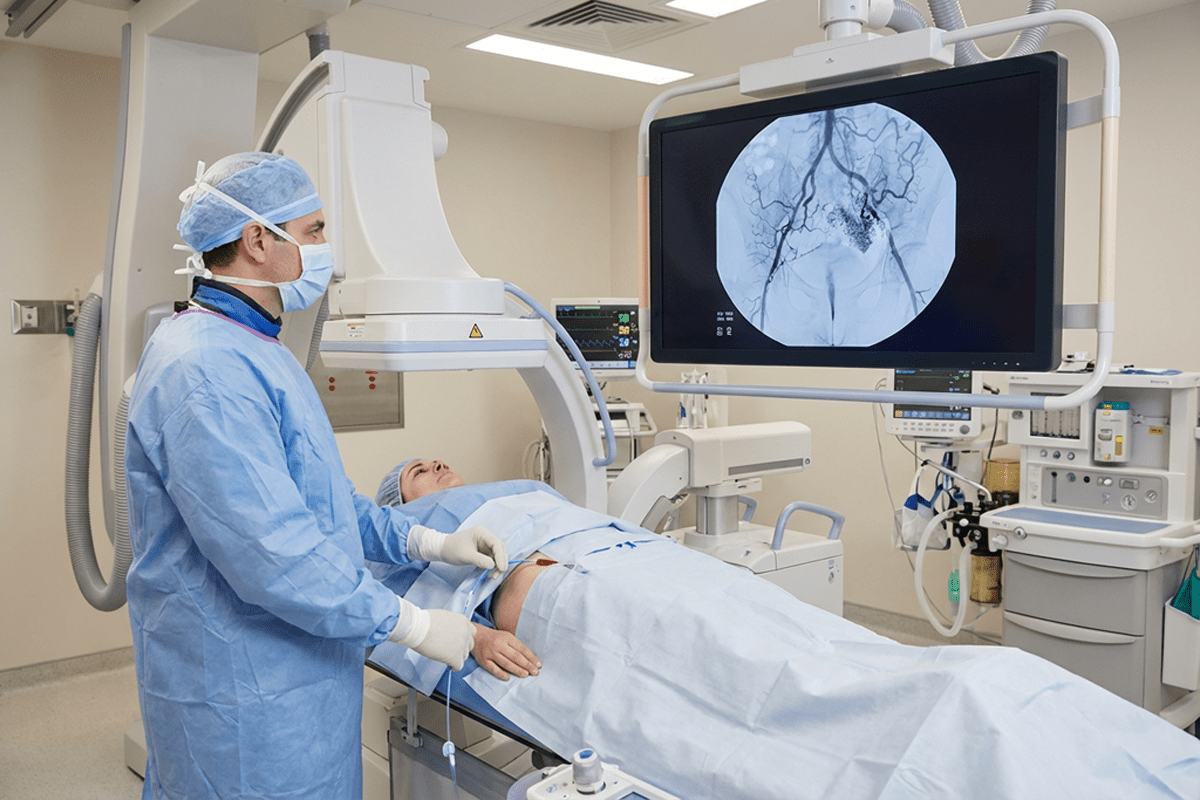
Postpartum Hemorrhage (PPH) embolization is a life-saving, minimally invasive interventional radiology procedure used to control severe bleeding after childbirth. Using real-time imaging guidance, a catheter is advanced into the uterine or pelvic arteries supplying the bleeding site, and embolic materials are delivered to block abnormal blood flow. This rapidly stops hemorrhage while preserving the uterus and avoiding emergency surgery.
PPH embolization is especially valuable when medical therapy fails or bleeding is sudden and severe. Performed in emergency or urgent settings, it offers fast bleeding control, reduced blood loss, and improved maternal outcomes, while minimizing recovery time and preserving future fertility when possible.
Internal links: Women’s Health Interventional Procedures, Interventional Gynecology Procedures, Embolization
PPH embolization is a well-established and highly effective emergency treatment when performed by experienced interventional radiologists. Temporary pelvic pain, fever, or bruising may occur. Rare risks include infection, non-target embolization, or recurrence of bleeding. Careful imaging guidance and follow-up help ensure maternal safety and positive outcomes.
Yes, it is a proven and widely used emergency procedure that safely controls bleeding when medications are ineffective.
In many cases, fertility is preserved because the uterus is not removed. Individual outcomes depend on overall health and severity of bleeding.
Bleeding often stops immediately or within a short period after embolic materials are placed.
Embolization is preferred when rapid bleeding control is needed while preserving the uterus and avoiding major surgery.
With a commitment to patient comfort, our clinic combines cutting-edge interventional radiology with compassionate care.
connect@drsudhirvasistha.com
Copyright © 2026 All Rights Reserved. Dr. Sudhir Vasistha | Design, Developed & Powered by Better Choice