Vascular & Blood Vessel Interventional Procedures | Interventional Vascular Venous Procedures
IVC Filters / Stent Placement | Age: Adults | Geriatrics
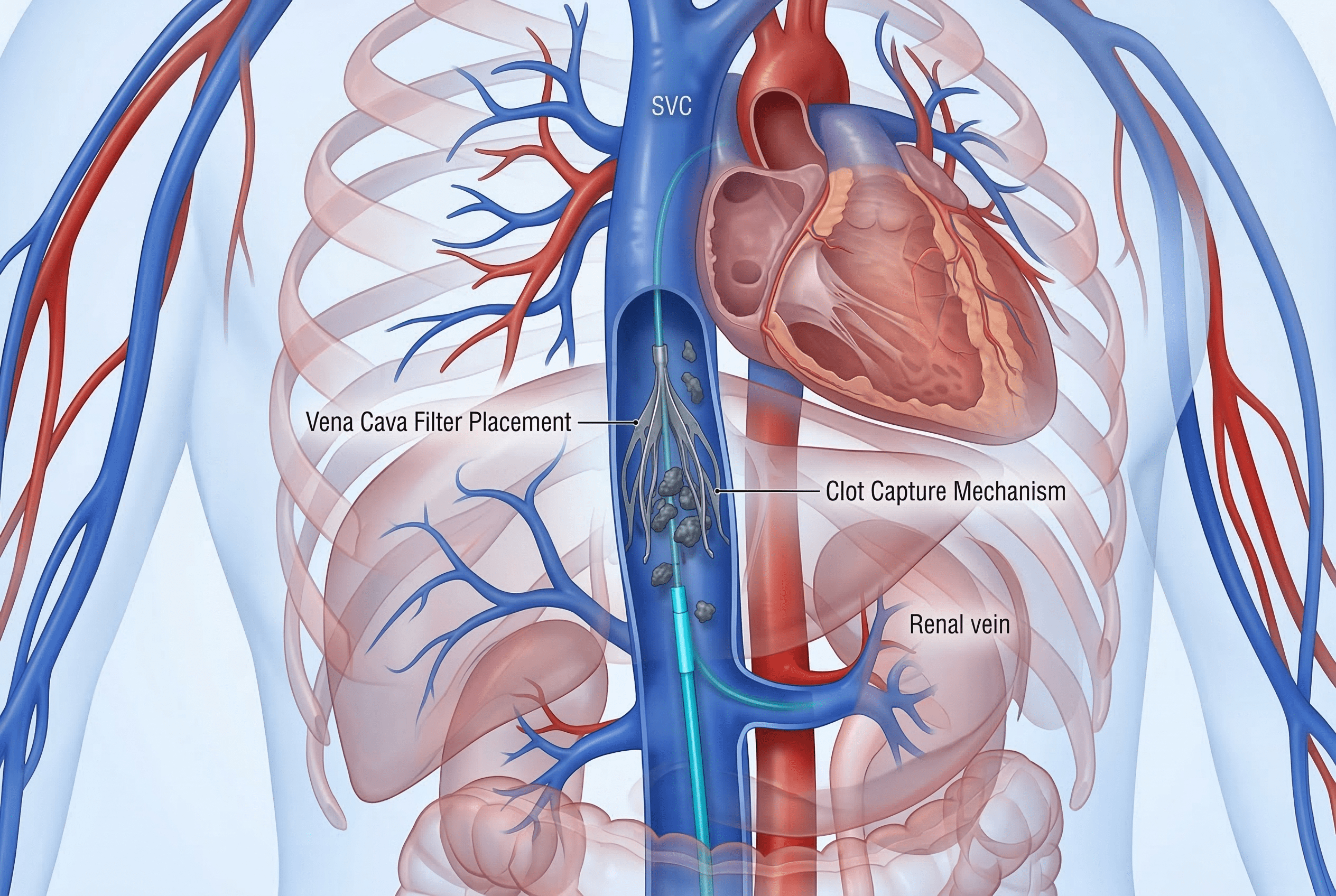
Inferior Vena Cava (IVC) and Superior Vena Cava (SVC) filter and stent placement are minimally invasive interventional radiology procedures used to prevent life-threatening blood clots and relieve venous obstruction. IVC filters are designed to trap clots traveling from the legs to the lungs, reducing the risk of pulmonary embolism, while venous stents restore blood flow in narrowed or blocked central veins. These image-guided treatments provide effective protection and symptom relief without open surgery.
SVC and IVC stenting is commonly used to manage venous obstruction syndromes caused by clots, tumors, scarring, or indwelling catheters. These outpatient or short-stay procedures rapidly improve circulation, reduce swelling and breathing difficulty, and help patients resume daily activities with lower procedural risk.
Internal links: Vascular & Blood Vessel Interventional Procedures, Interventional Vascular Venous Procedures, IVC Filters / Stent Placement
IVC and SVC filter and stent placement are safe and well-established when performed by experienced interventional radiologists. Possible risks include bleeding, device migration, or vein re-narrowing over time. Careful imaging guidance, appropriate patient selection, and follow-up monitoring help ensure long-term safety and effectiveness.
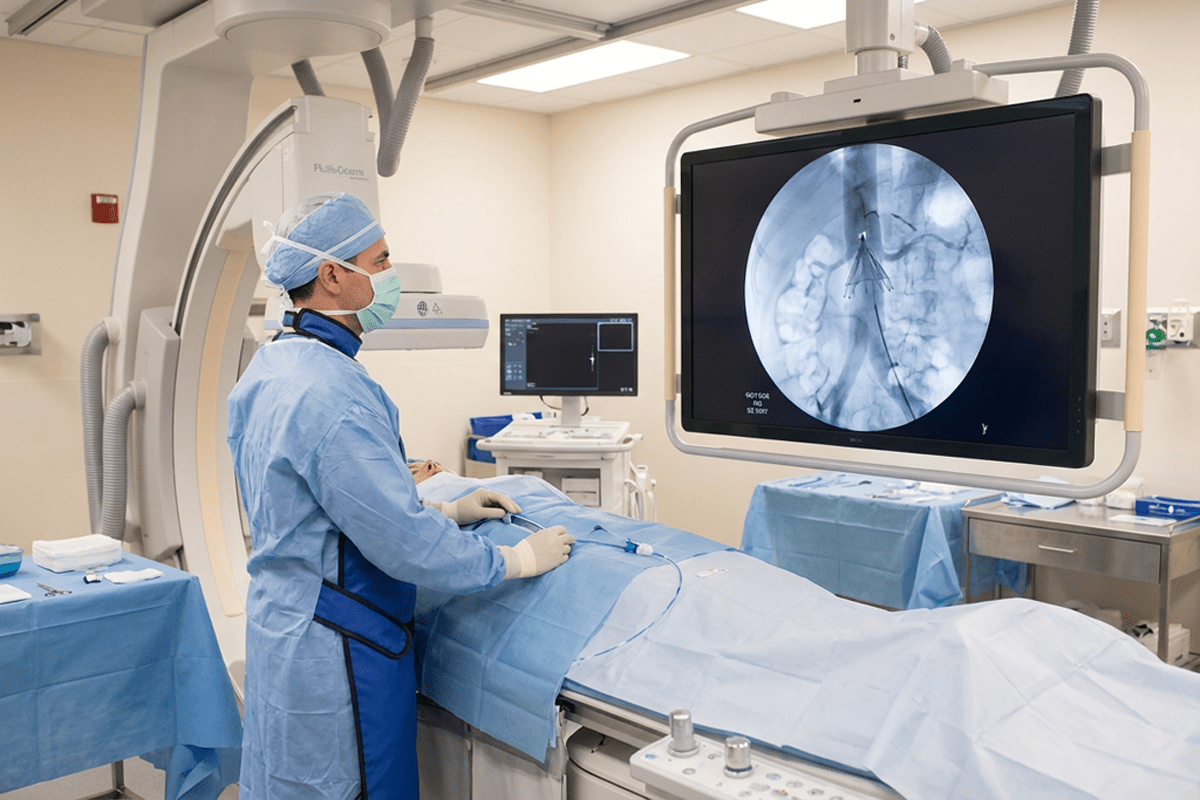
IVC filters are typically used when blood thinners are not safe or effective, or when there is a high risk of pulmonary embolism.
Patients often experience rapid relief from facial swelling, shortness of breath, and upper body congestion associated with SVC syndrome.
Some filters are temporary and can be removed once clot risk decreases, while others are designed for long-term use based on patient needs.
Venous stents are designed for long-term durability. Regular follow-up imaging helps ensure continued vein patency.
With a commitment to patient comfort, our clinic combines cutting-edge interventional radiology with compassionate care.
connect@drsudhirvasistha.com
Copyright © 2026 All Rights Reserved. Dr. Sudhir Vasistha | Design, Developed & Powered by Better Choice