Vascular & Blood Vessel Interventional Procedures | Interventional Vascular Venous Procedures
Angioplasty | Age: Adults | Geriatrics
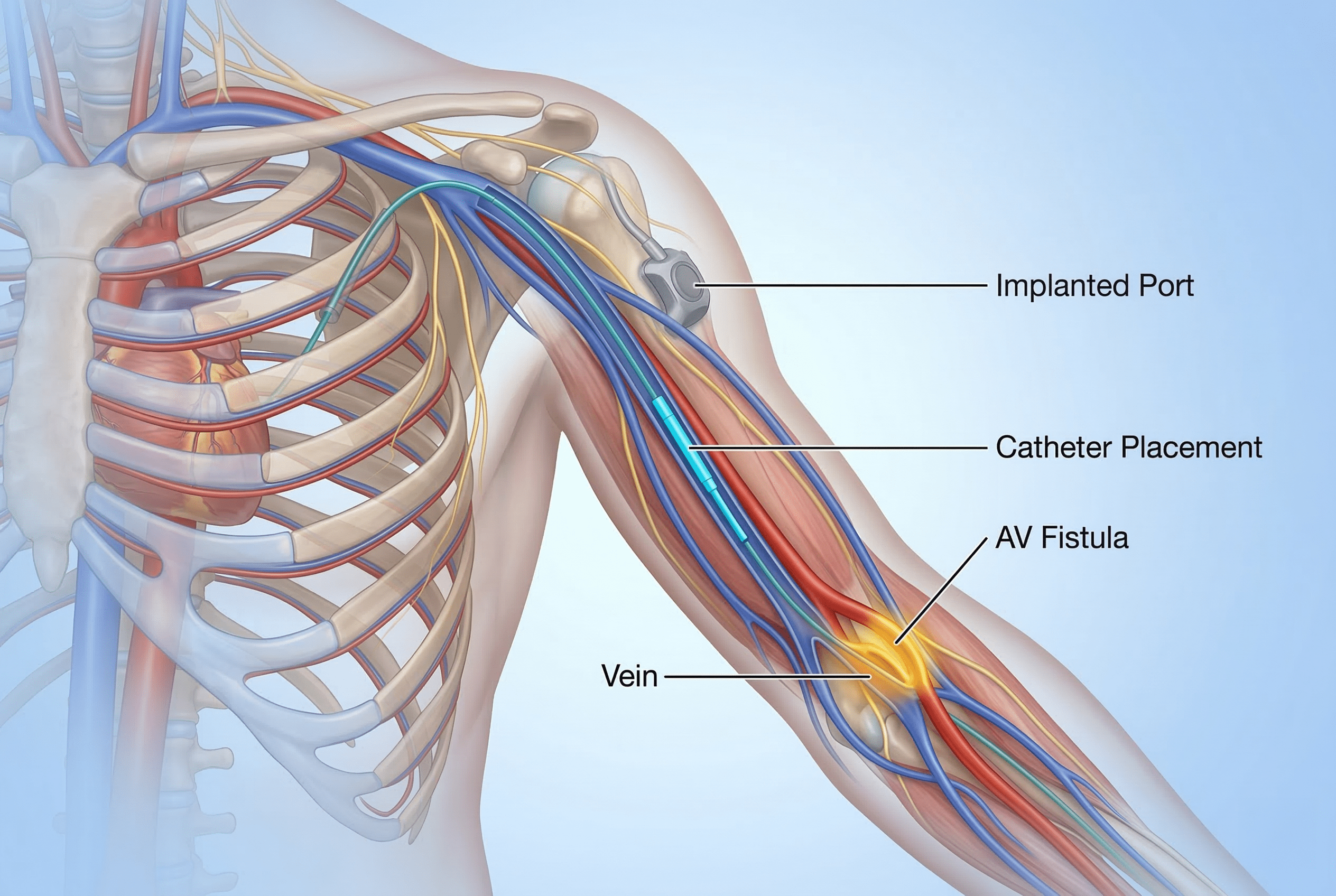
Dialysis access interventions are minimally invasive interventional radiology procedures designed to create, maintain, and restore reliable vascular access for patients requiring hemodialysis, long-term medications, chemotherapy, or nutrition. These procedures include angioplasty of AV fistulas and grafts, placement of tunneled dialysis catheters, PICC lines, Hickman lines, and chemoports using real-time imaging for precision and safety. Properly functioning access is essential for effective dialysis and long-term treatment delivery.
These outpatient or short-stay procedures help prevent access failure, reduce infection risk, and improve treatment efficiency. By avoiding open surgery, dialysis access interventions offer faster recovery, fewer complications, and long-term access durability for patients with chronic kidney disease or cancer.
Internal links: Vascular & Blood Vessel Interventional Procedures, Interventional Vascular Venous Procedures, Angioplasty
Dialysis access interventions are safe and well established when performed by experienced interventional radiologists. Potential risks include bleeding, infection, or access re-narrowing over time. Regular follow-up and imaging help maintain long-term access function and patient safety.
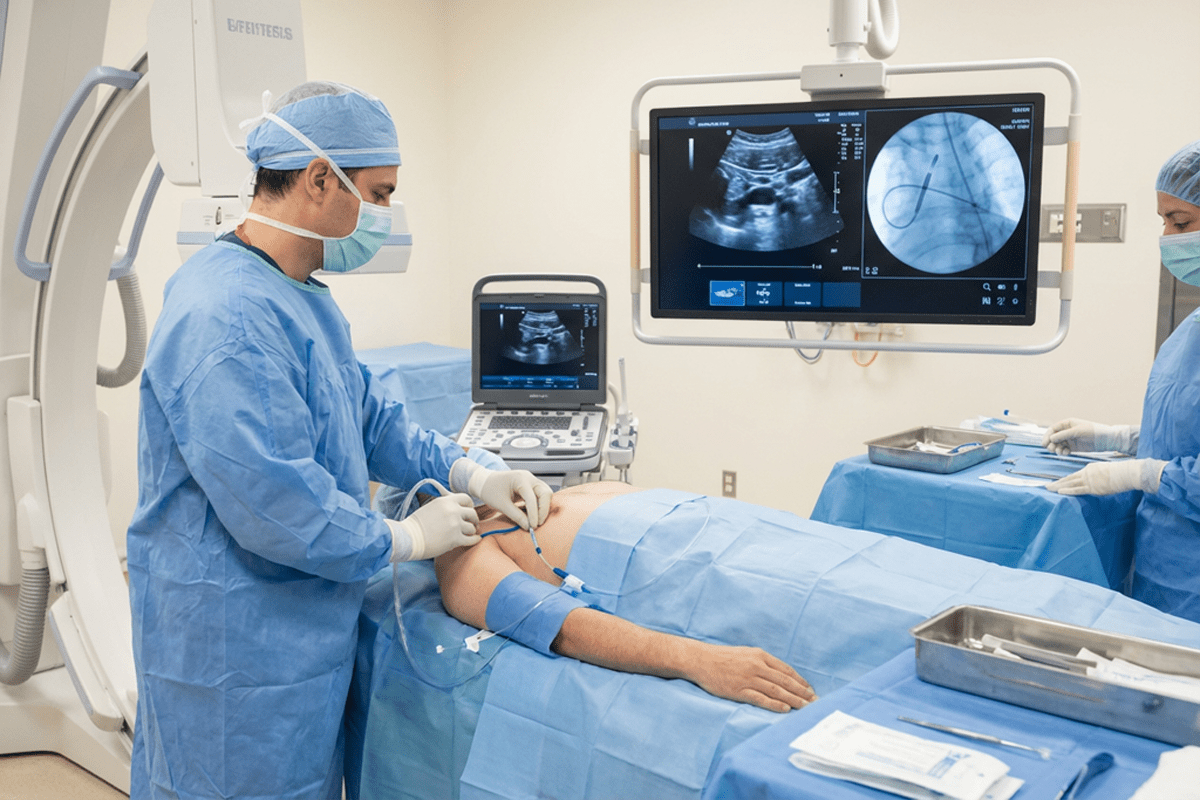
Angioplasty opens narrowed areas that reduce blood flow and dialysis efficiency. It helps prolong the life of existing dialysis access.
A PICC line is usually placed in the arm for medium-term use, while tunneled catheters are placed in the chest for longer-term access.
Discomfort is minimal due to local anesthesia and sedation. Most patients tolerate the procedure very well.
With proper care, tunneled catheters and ports can last months to years. Routine maintenance helps prevent complications.
With a commitment to patient comfort, our clinic combines cutting-edge interventional radiology with compassionate care.
connect@drsudhirvasistha.com
Copyright © 2026 All Rights Reserved. Dr. Sudhir Vasistha | Design, Developed & Powered by Better Choice