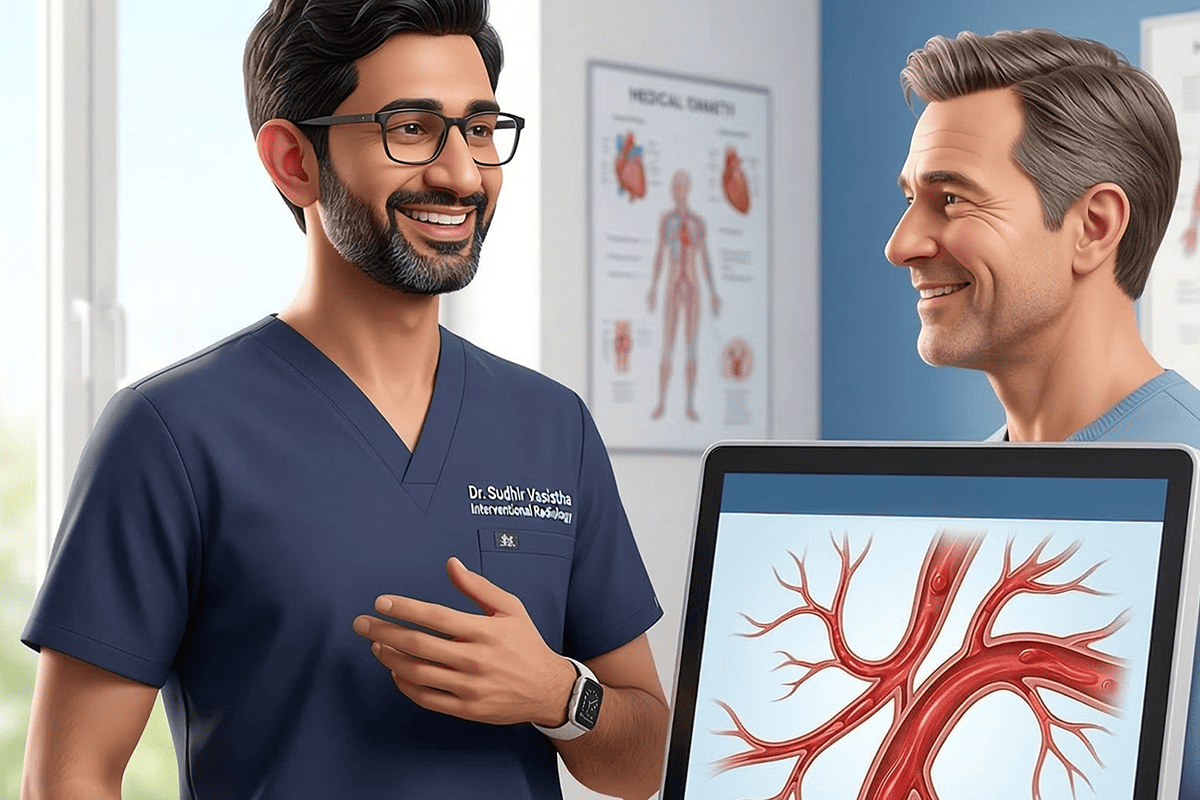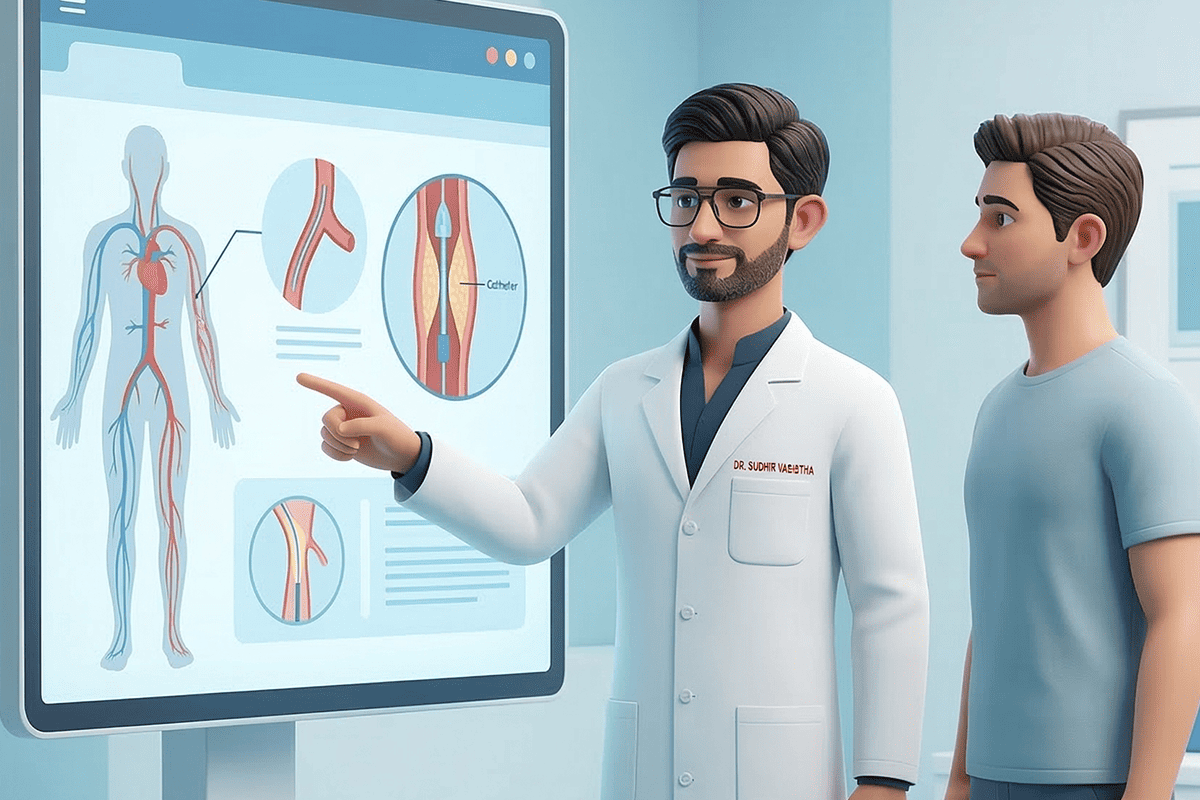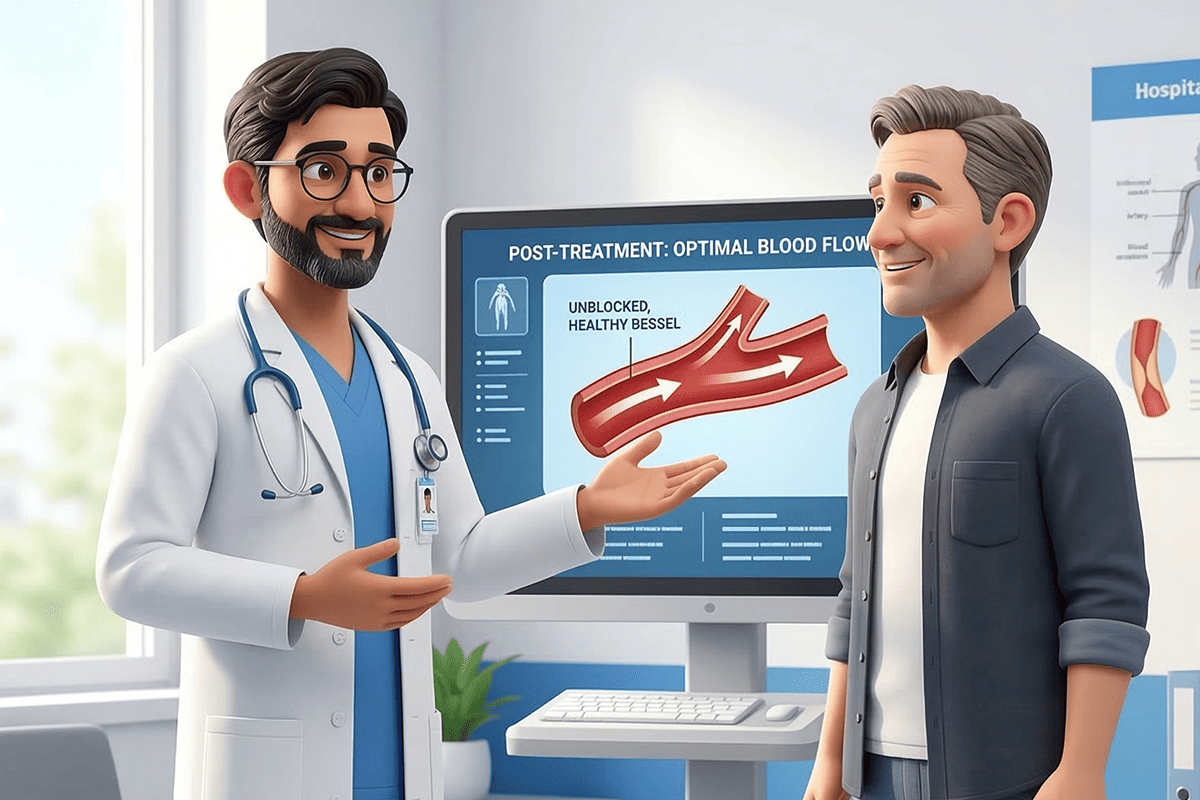
Vascular & Blood Vessel Interventional Procedures | Interventional Vascular Peripheral Arterial Procedures
Angiography / Angioplasty / Stent Placement | Age: Adults | Geriatrics
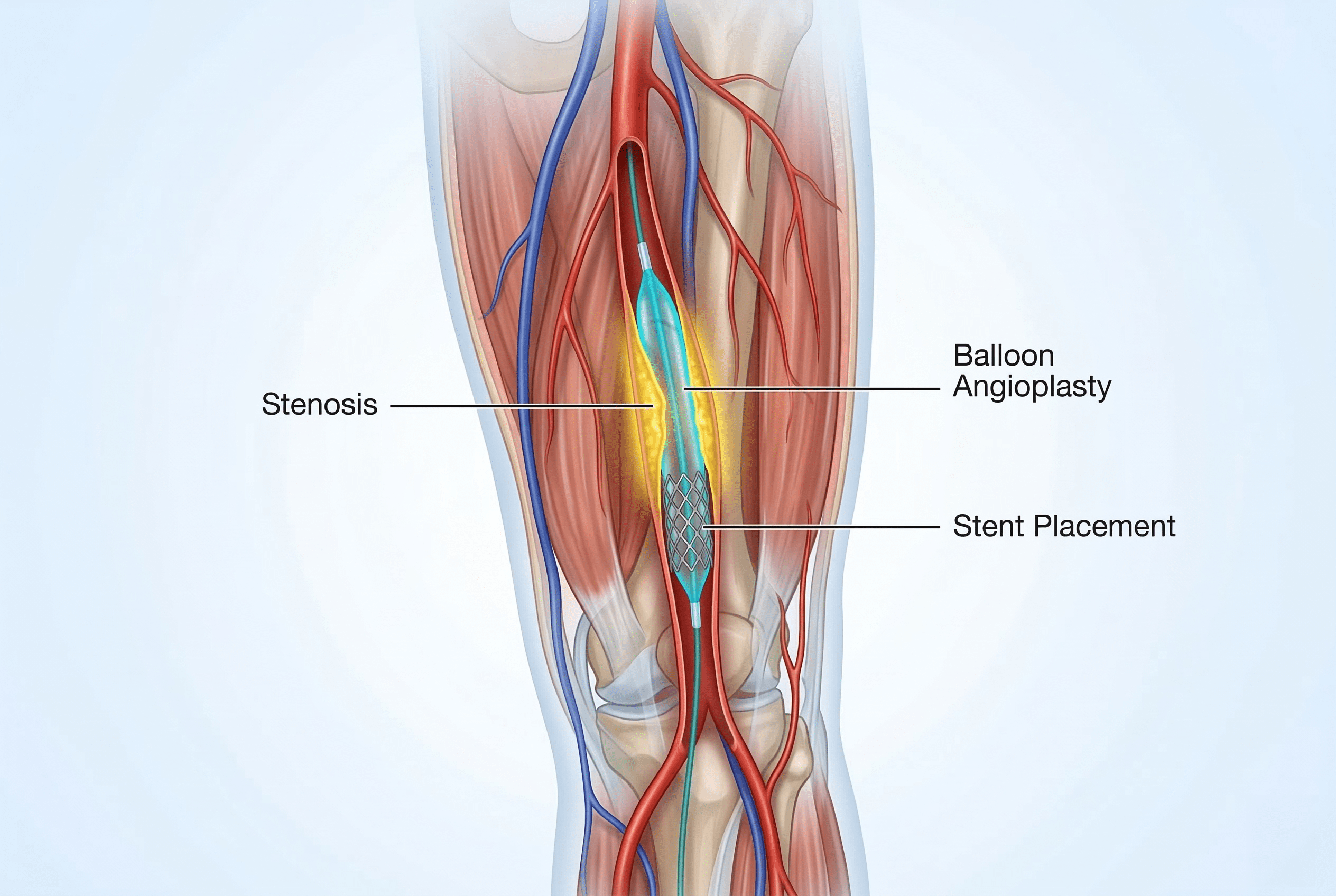
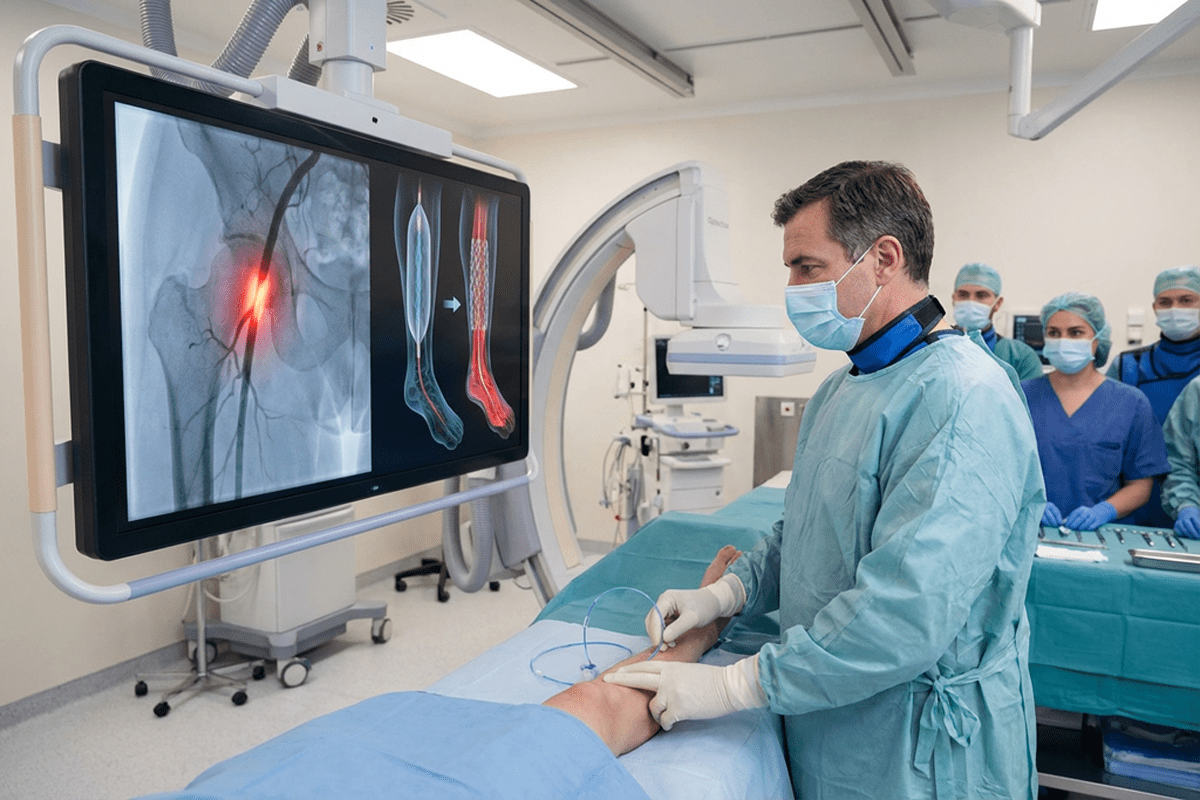
Peripheral Vascular Disease (PVD), commonly referred to as Peripheral Arterial Disease (PAD), is a condition caused by narrowing or blockage of arteries supplying blood to the legs and feet. Endovascular PAD treatment uses minimally invasive techniques such as angiography, angioplasty, and stent placement to restore blood flow, relieve pain, heal ulcers, and prevent limb-threatening complications. These image-guided procedures are especially important for patients with diabetes and chronic vascular disease.
PAD treatment through interventional radiology focuses on improving circulation without open surgery. By reopening blocked arteries, these procedures reduce symptoms like leg pain, non-healing wounds, and diabetic foot complications, helping patients regain mobility, improve quality of life, and avoid amputation.
Internal links: Vascular & Blood Vessel Interventional Procedures, Interventional Vascular Peripheral Arterial Procedures, Angiography / Angioplasty / Stent Placement
PAD endovascular treatment is generally safe when performed by experienced interventional specialists. Possible risks include bruising at the access site, vessel re-narrowing, or contrast reaction. Careful imaging guidance, follow-up care, and lifestyle management help ensure long-term success and patient safety.
PAD specifically refers to arterial blockages, while PVD is a broader term covering all blood vessel diseases. PAD is the most common cause of leg circulation problems.
Yes, restoring blood flow is critical for healing diabetic foot ulcers and preventing infection or amputation.
Many patients avoid surgery entirely with successful endovascular treatment. Surgery is only needed if blockages cannot be treated minimally invasively.
Modern stents are designed for long-term durability. Regular follow-up ensures arteries remain open and symptoms controlled.
With a commitment to patient comfort, our clinic combines cutting-edge interventional radiology with compassionate care.
connect@drsudhirvasistha.com
Copyright © 2026 All Rights Reserved. Dr. Sudhir Vasistha | Design, Developed & Powered by Better Choice