Vascular & Blood Vessel Interventional Procedures | Interventional Musculoskeletal Procedures
Embolization | Age: Pediatrics | Adults
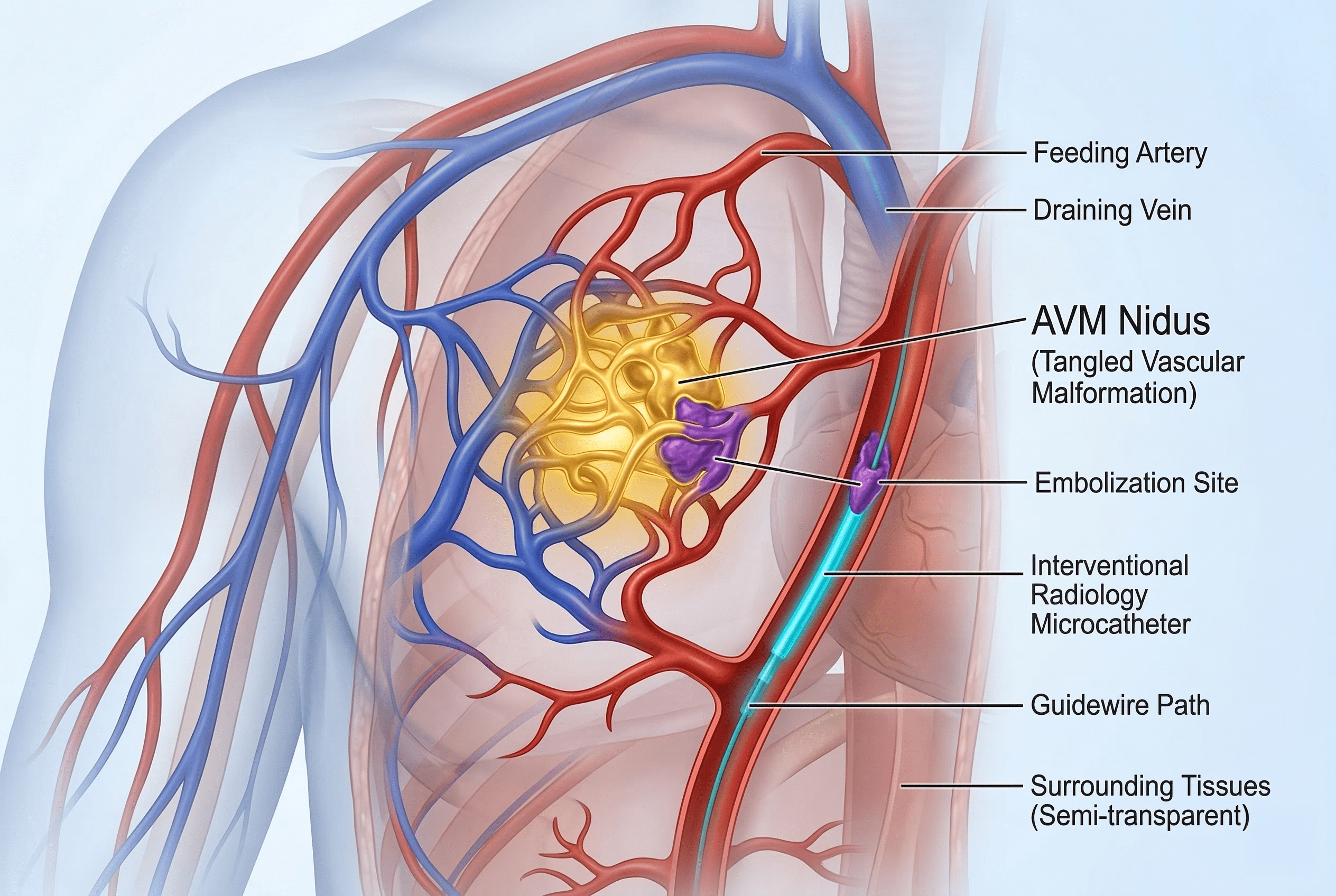
Vascular malformation management involves minimally invasive interventional radiology techniques used to treat abnormal growths or connections of blood vessels that disrupt normal circulation. These malformations may be present at birth or develop over time and can cause pain, swelling, bleeding, functional impairment, or cosmetic concerns. Using image-guided embolization and targeted therapies, interventional specialists precisely treat the abnormal vessels while preserving surrounding healthy tissue.
This endovascular approach avoids open surgery and is tailored to the type, size, and location of the vascular malformation. It provides effective symptom control, reduces complications, and improves quality of life with shorter recovery times and lower procedural risk.
Internal links: Vascular & Blood Vessel Interventional Procedures, Interventional Musculoskeletal Procedures, Embolization
Vascular malformation management is generally safe when performed by experienced interventional radiologists. Possible risks include temporary pain, swelling, skin changes, or incomplete treatment requiring staged procedures. Serious complications are uncommon, and careful planning with advanced imaging helps ensure safe, effective outcomes.
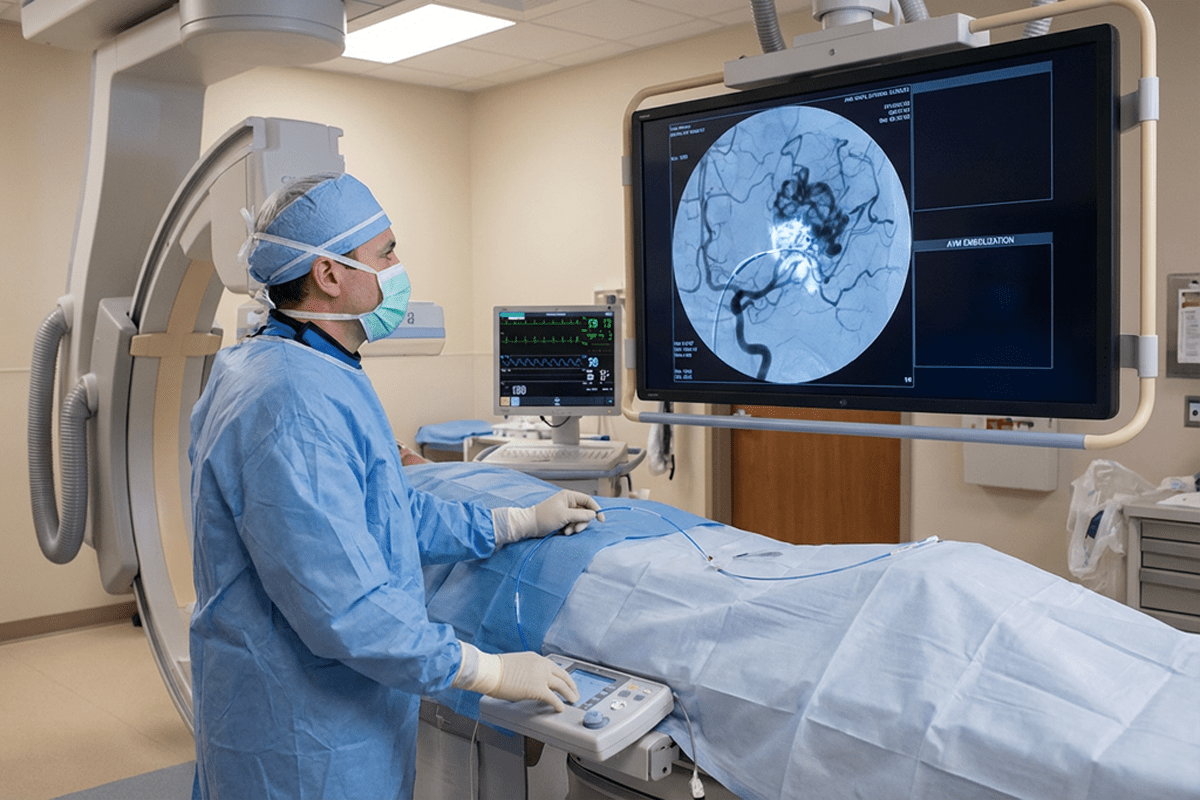
Many arteriovenous, venous, and lymphatic malformations can be managed with minimally invasive embolization or sclerotherapy, depending on their anatomy and symptoms.
Embolization can provide long-term symptom control, but some malformations may require staged or repeat treatments as part of ongoing management.
Discomfort is usually mild to moderate and well controlled with anesthesia and pain medication. Most patients tolerate the procedure well.
Recovery is typically much faster than surgery. Many patients resume normal activities within a few days, depending on the treated area.
With a commitment to patient comfort, our clinic combines cutting-edge interventional radiology with compassionate care.
connect@drsudhirvasistha.com
Copyright © 2026 All Rights Reserved. Dr. Sudhir Vasistha | Design, Developed & Powered by Better Choice