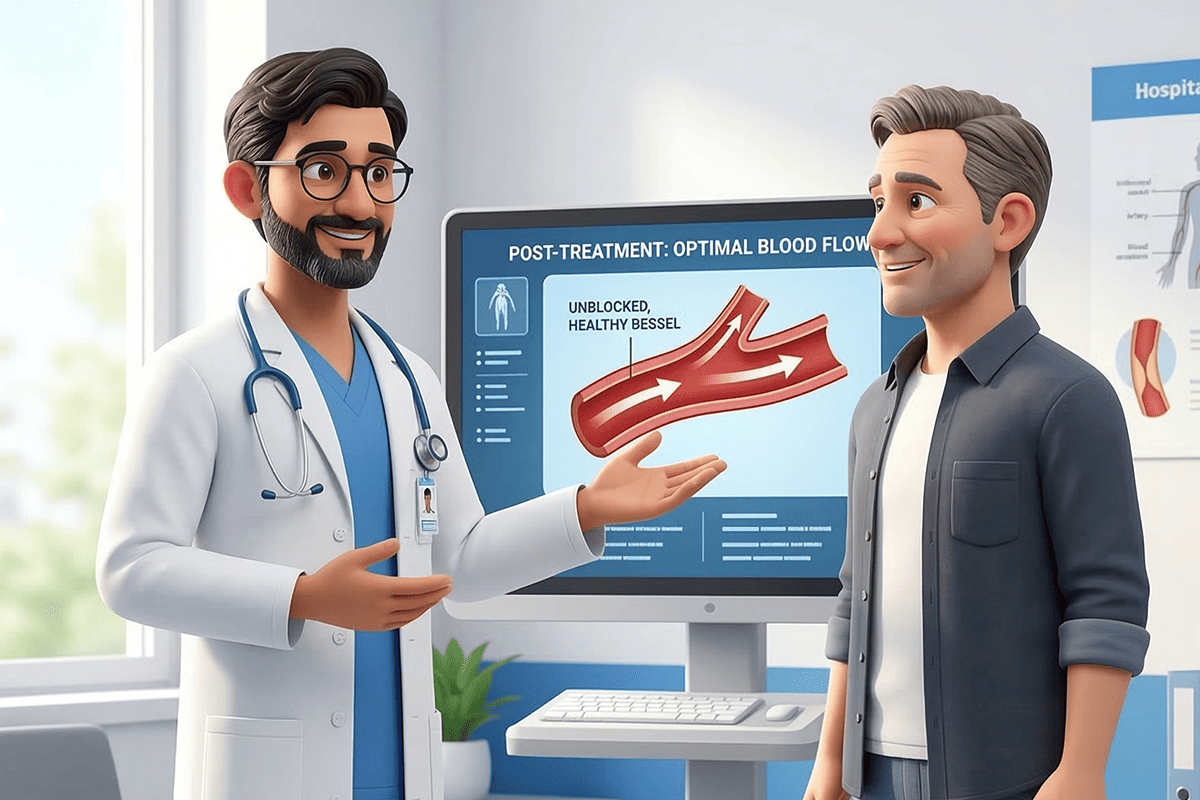
Oncology Interventional Procedures | Interventional Non-Vascular Procedures
Ablation | Cancer Treatment | Age: Adults
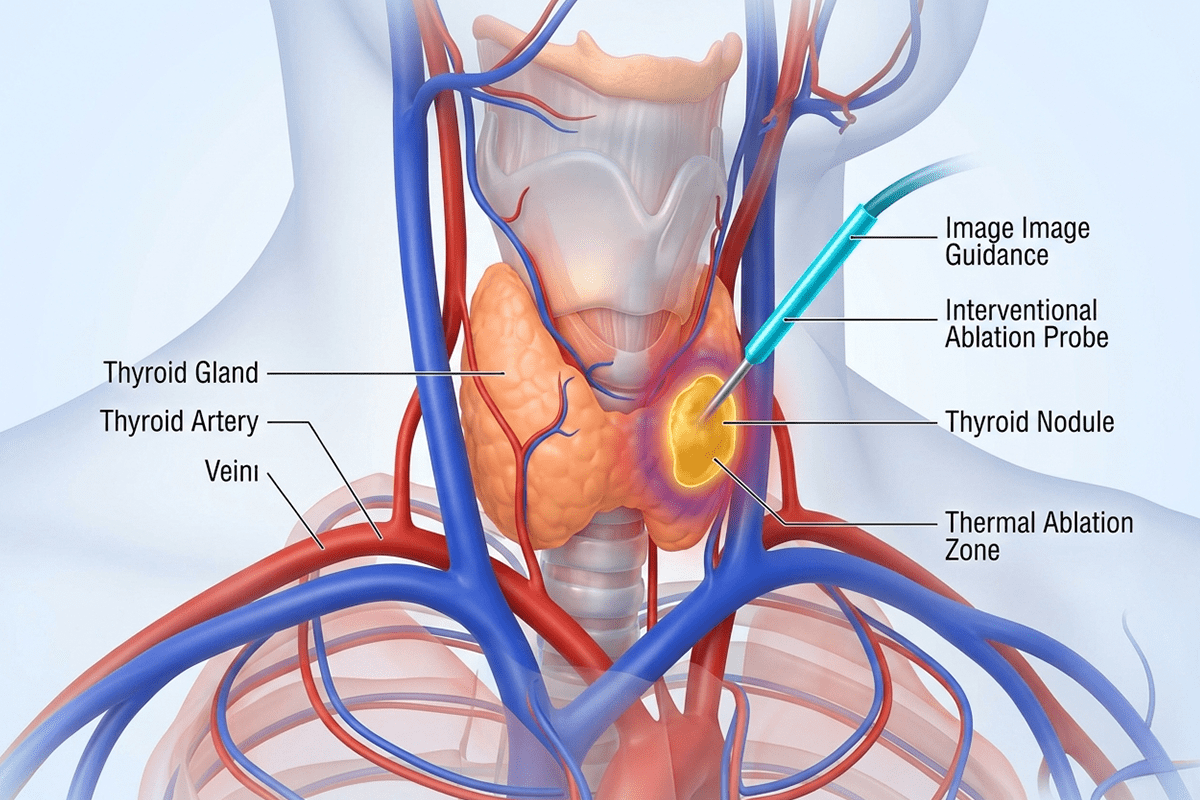
Thyroid Ablation using Radiofrequency Ablation (RFA) or Microwave Ablation is a minimally invasive image-guided procedure used to treat benign thyroid nodules and selected recurrent thyroid cancers without open surgery. Using heat energy delivered through a thin needle electrode, the abnormal thyroid tissue is precisely destroyed while preserving healthy surrounding thyroid gland tissue. This advanced interventional oncology treatment helps reduce nodule size, relieve symptoms, and improve cosmetic appearance with minimal downtime.
RFA and Microwave Thyroid Ablation are commonly recommended for patients with symptomatic thyroid nodules causing neck swelling, difficulty swallowing, voice discomfort, or cosmetic concerns. The procedure is performed under ultrasound guidance and usually allows patients to return home the same day.
Thyroid Ablation using RFA or Microwave may help treat:
Internal links: Oncology Interventional Procedures, Interventional Non-Vascular Procedures, Ablation
Thyroid Ablation using RFA or Microwave is considered a safe minimally invasive thyroid treatment when performed by experienced specialists. However, as with any medical procedure, there are potential risks and considerations.
Possible risks may include temporary pain, bruising, swelling, mild voice changes, bleeding, infection, or skin irritation near the treatment area. Rarely, nearby nerves or structures may be affected. Some patients may require additional treatment sessions depending on the size or nature of the thyroid nodule.
A detailed consultation and imaging assessment help determine whether thyroid ablation is the right treatment option for each patient.
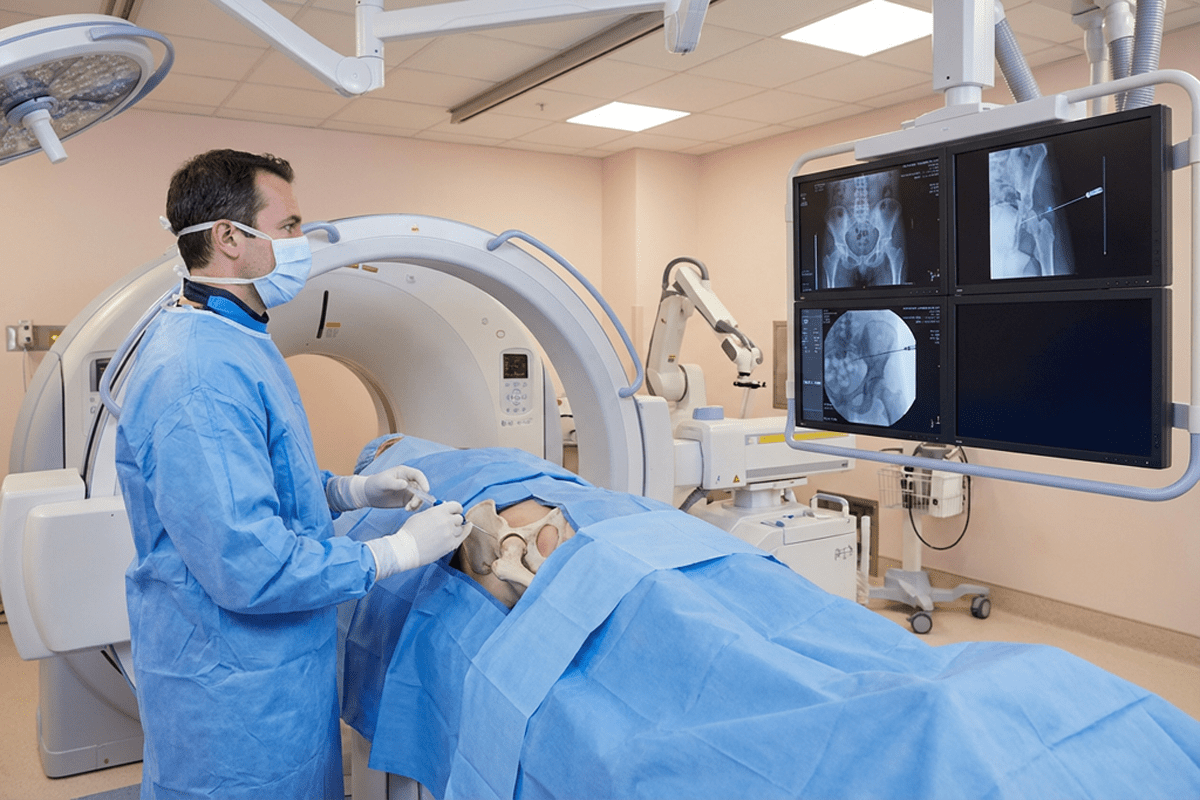
Thyroid RFA can be an excellent alternative to surgery for selected benign thyroid nodules. It is minimally invasive, leaves little to no scar, and usually offers faster recovery compared to traditional thyroid surgery.
Most patients notice gradual thyroid nodule reduction over several weeks to months. Significant shrinkage commonly occurs within 3–6 months after radiofrequency or microwave ablation.
The procedure is generally well tolerated with local anesthesia and mild sedation. Patients may feel mild pressure or temporary discomfort during treatment, but severe pain is uncommon.
Many treated thyroid nodules show long-term reduction in size and symptom relief. However, some nodules may regrow partially over time and occasionally require repeat treatment or follow-up monitoring.
With a commitment to patient comfort, our clinic combines cutting-edge interventional radiology with compassionate care.
connect@drsudhirvasistha.com
Copyright © 2026 All Rights Reserved. Dr. Sudhir Vasistha | Design, Developed & Powered by Better Choice