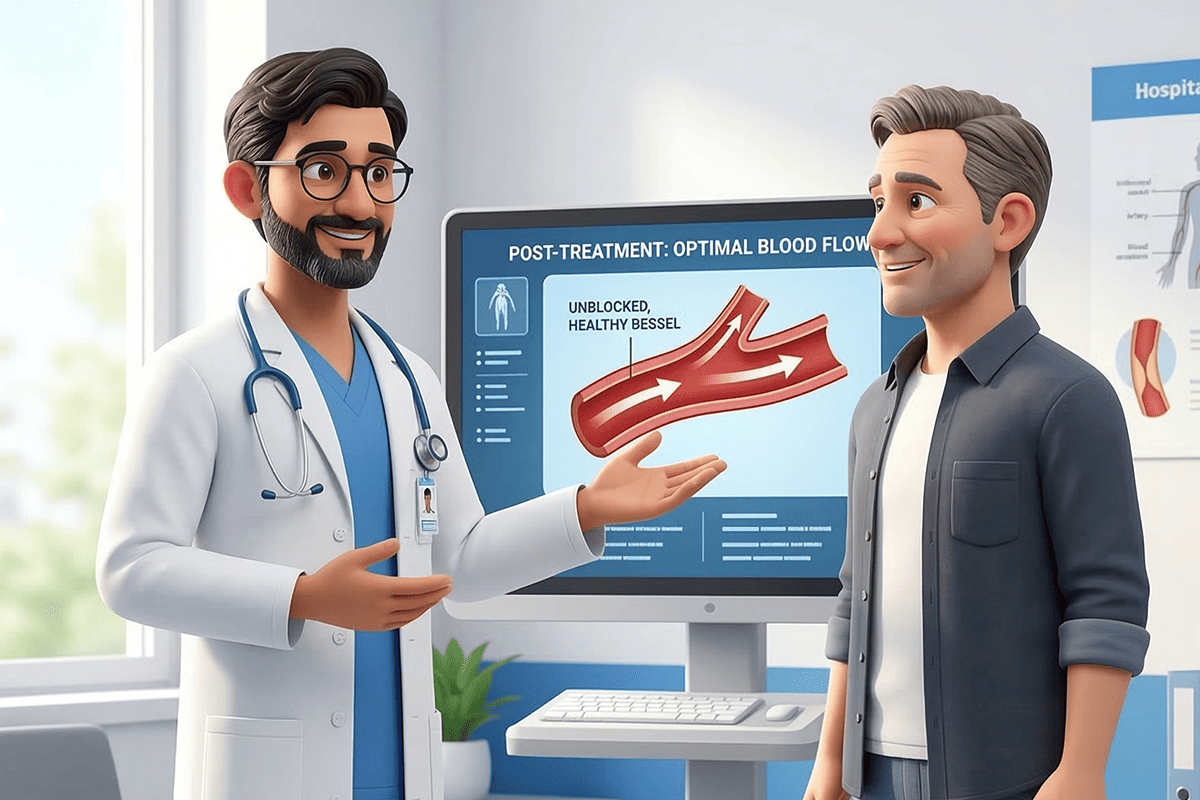
Digestive System (GI) Interventional Procedures | Interventional Gastroenterology Procedures
Embolization | Age: Adults
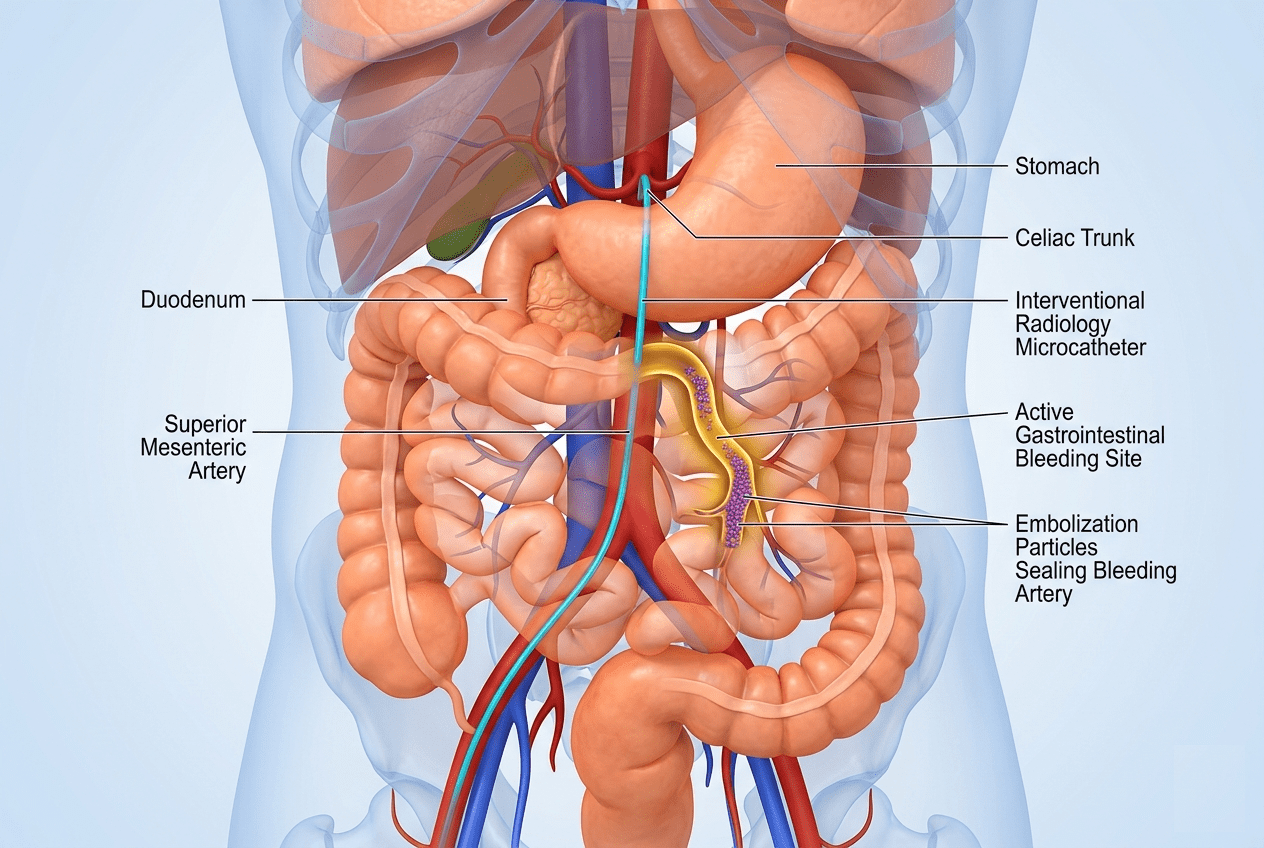
GI bleed embolization is a minimally invasive interventional radiology procedure used to control active or recurrent gastrointestinal bleeding by sealing the bleeding blood vessel from within. Using advanced imaging guidance, an interventional specialist navigates a catheter through the arteries and delivers embolic agents to stop bleeding while preserving healthy tissue. This targeted treatment is highly effective for managing visceral bleeding, pseudoaneurysms, and life-threatening GI hemorrhage without open surgery.
Often performed in urgent or emergency settings, GI bleed embolization offers rapid bleeding control with shorter recovery times. It is a critical option for patients who are poor surgical candidates or when endoscopy alone cannot control gastrointestinal bleeding.
Internal links: Digestive System (GI) Interventional Procedures, Interventional Gastroenterology Procedures, Embolization
GI bleed embolization is a well-established and generally safe procedure when performed by experienced specialists. Potential risks include bruising at the access site, temporary abdominal pain, or rare vessel injury. Your physician will carefully evaluate risks versus benefits to ensure safe, effective treatment.
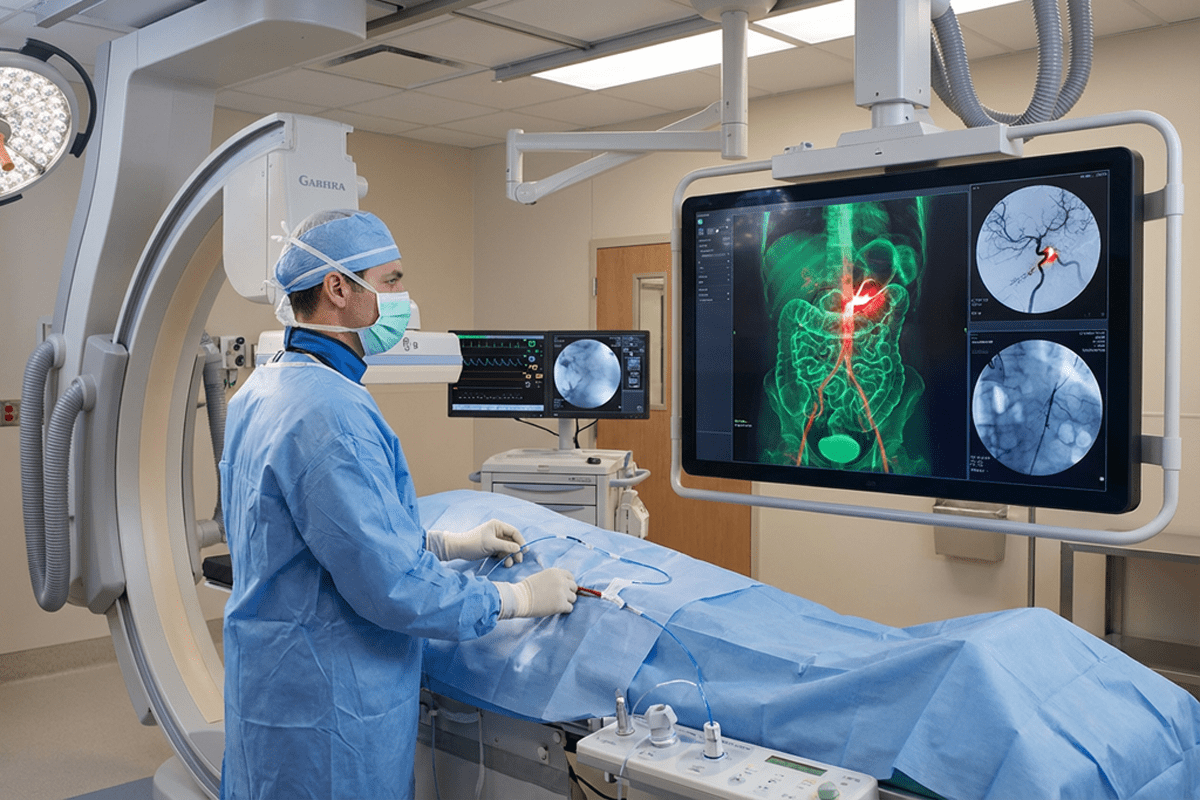
GI bleed embolization is highly effective, especially when bleeding cannot be controlled with endoscopy alone. Many patients experience immediate and lasting bleeding control.
In many cases, yes. Embolization avoids large incisions and reduces recovery time, making it ideal for high-risk or unstable patients.
The procedure is carefully targeted to block only the bleeding vessel. Surrounding organs continue to receive adequate blood flow.
Recovery varies depending on overall health and bleeding severity, but many patients stabilize quickly and recover faster than with surgery.
With a commitment to patient comfort, our clinic combines cutting-edge interventional radiology with compassionate care.
connect@drsudhirvasistha.com
Copyright © 2026 All Rights Reserved. Dr. Sudhir Vasistha | Design, Developed & Powered by Better Choice