Oncology Interventional Procedures
Ablation | Cancer Treatment
Age: Adults | Geriatrics
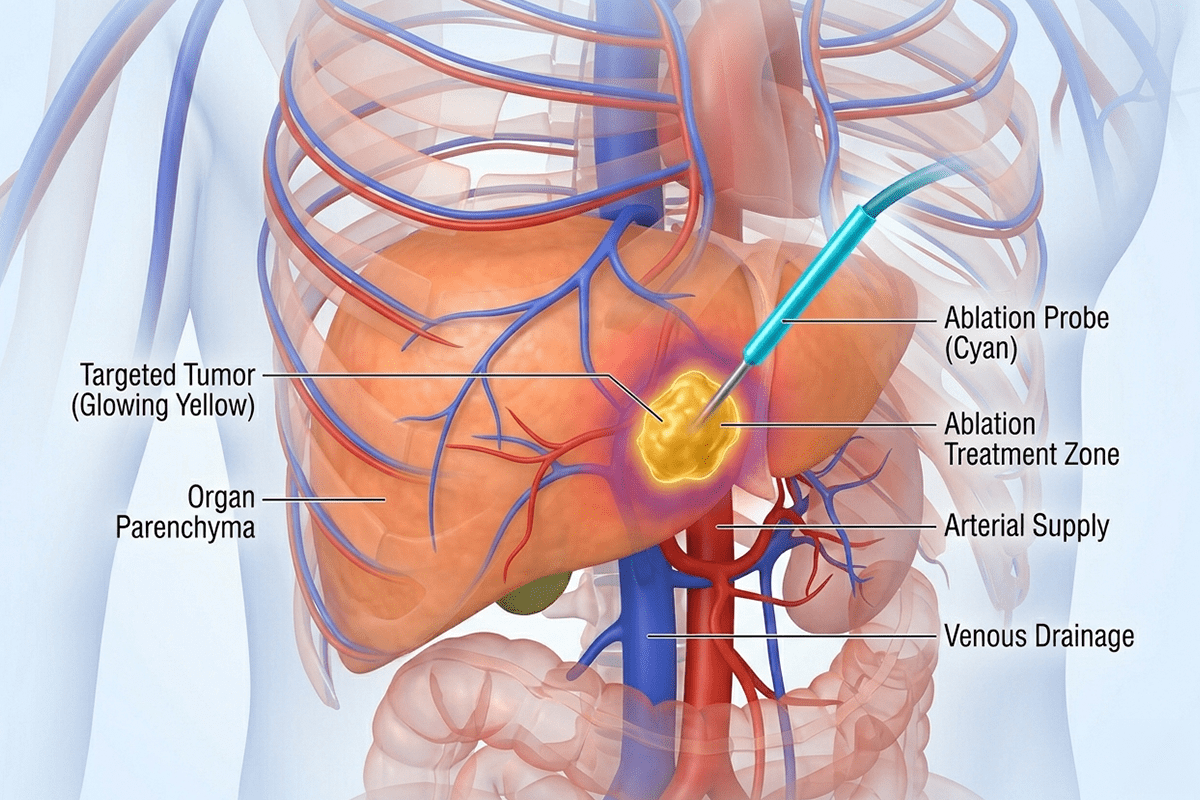
Advanced Tumor Ablation is a minimally invasive image-guided cancer treatment that uses heat or cold energy to destroy abnormal tumor tissue without major surgery. Techniques such as Radiofrequency Ablation (RFA), Microwave Ablation, and Cryoablation are commonly used to treat primary tumors, metastatic tumors, and benign painful bone lesions like osteoid osteoma. These interventional oncology procedures are performed using CT scan or ultrasound guidance for precise tumor targeting.
Tumor ablation procedures are often recommended for patients who are not ideal candidates for surgery or who need targeted treatment with faster recovery. These minimally invasive cancer treatments can help control tumor growth, relieve pain, and preserve healthy surrounding tissue.
Advanced Tumor Ablation may help treat:
Internal links: Oncology Interventional Procedures, Ablation
Advanced Tumor Ablation procedures are generally considered safe and effective when performed by experienced interventional radiology specialists. However, as with any minimally invasive cancer treatment, certain risks may occur depending on the tumor location and overall patient condition.
Possible risks include pain, bleeding, infection, temporary swelling, injury to nearby organs, or incomplete tumor destruction requiring repeat treatment. Some patients may also experience mild fatigue or discomfort after the procedure. A detailed consultation and imaging evaluation help determine the most suitable tumor ablation approach for each patient.
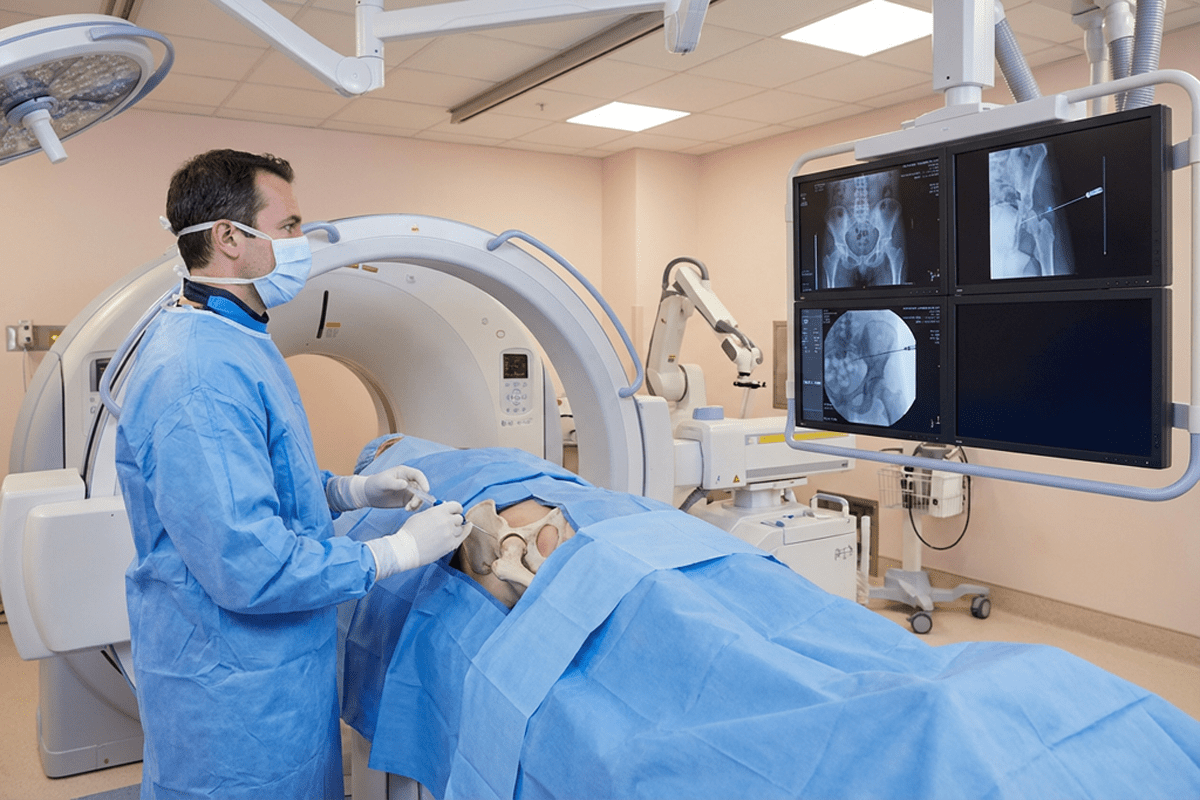
Radiofrequency Ablation (RFA) and Microwave Ablation use heat energy to destroy tumors, while Cryoablation uses extreme cold to freeze abnormal tissue. The choice depends on the tumor size, location, and treatment goals.
Tumor ablation can effectively destroy selected tumors and may provide long-term tumor control in certain cases. It is commonly used for primary tumors, metastatic lesions, or patients who cannot undergo surgery.
Recovery after minimally invasive tumor ablation is usually faster than traditional surgery. Many patients return to normal activities within a few days, depending on the type and location of the treated tumor.
Most tumor ablation procedures are performed with anesthesia or sedation to keep patients comfortable. Mild soreness or temporary discomfort after treatment is common but generally manageable.
With a commitment to patient comfort, our clinic combines cutting-edge interventional radiology with compassionate care.
connect@drsudhirvasistha.com
Copyright © 2026 All Rights Reserved. Dr. Sudhir Vasistha | Design, Developed & Powered by Better Choice