Liver & Biliary Interventional Procedures | Interventional Hepatobiliary Procedures
Angioplasty / Embolization | Age: Pediatrics | Adults
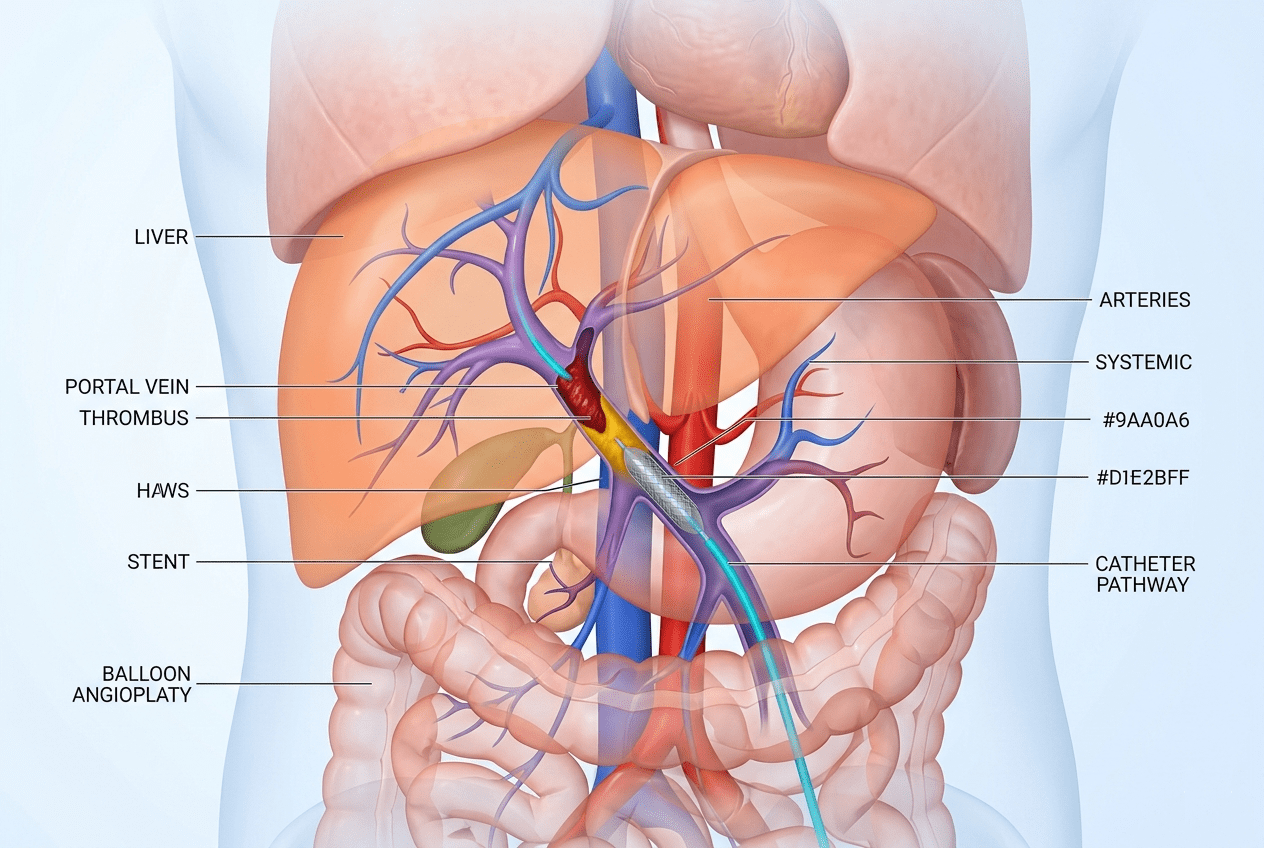
Portal vein interventions are minimally invasive interventional radiology procedures used to diagnose and treat disorders affecting blood flow through the portal vein, a major vessel supplying the liver. Using advanced image guidance, specialists perform techniques such as angioplasty, stent placement, or embolization to relieve portal hypertension, restore circulation in portal vein thrombosis, and manage complications of chronic liver disease. These targeted treatments help reduce pressure in the portal system and improve liver function without open surgery.
These procedures are commonly used in patients with cirrhosis, liver failure, or post-transplant complications. Portal vein interventions offer effective symptom relief, bleeding control, and long-term management while minimizing recovery time and surgical risk.
Internal links: Liver & Biliary Interventional Procedures, Interventional Hepatobiliary Procedures, Angioplasty / Embolization
Portal vein interventions are generally safe when performed by experienced interventional specialists. Potential risks include bleeding, infection, or re-narrowing of the treated vessel over time. Careful imaging guidance, follow-up, and personalized planning help minimize complications and build patient confidence.
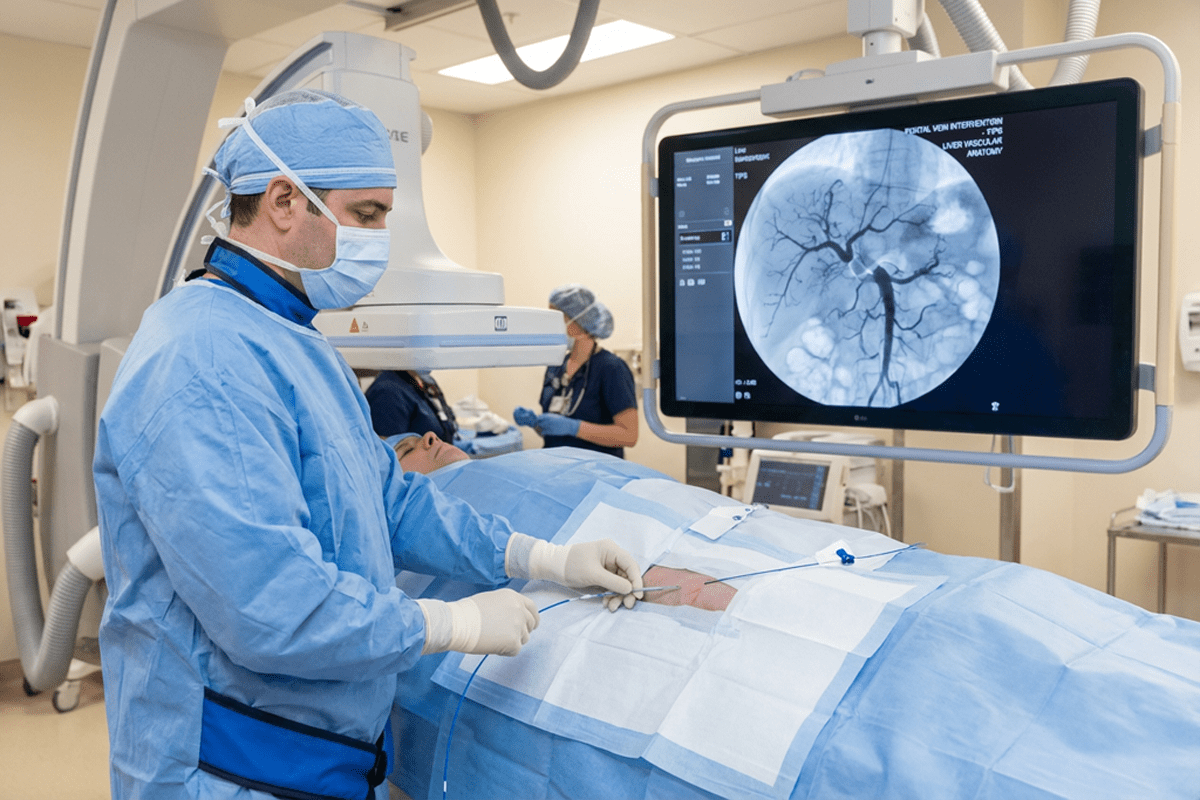
Portal vein interventions are commonly used for portal hypertension, portal vein thrombosis, and complications related to liver disease. They help restore blood flow and reduce pressure in the portal system.
In many cases, yes. These minimally invasive procedures avoid major surgery and are better tolerated, especially in patients with advanced liver disease.
Many patients experience improvement in symptoms such as ascites, variceal bleeding, and abdominal discomfort after treatment. Results depend on overall liver health.
Most patients recover faster than with surgery and resume normal activities within days to a week, depending on the procedure and condition treated.
With a commitment to patient comfort, our clinic combines cutting-edge interventional radiology with compassionate care.
connect@drsudhirvasistha.com
Copyright © 2026 All Rights Reserved. Dr. Sudhir Vasistha | Design, Developed & Powered by Better Choice