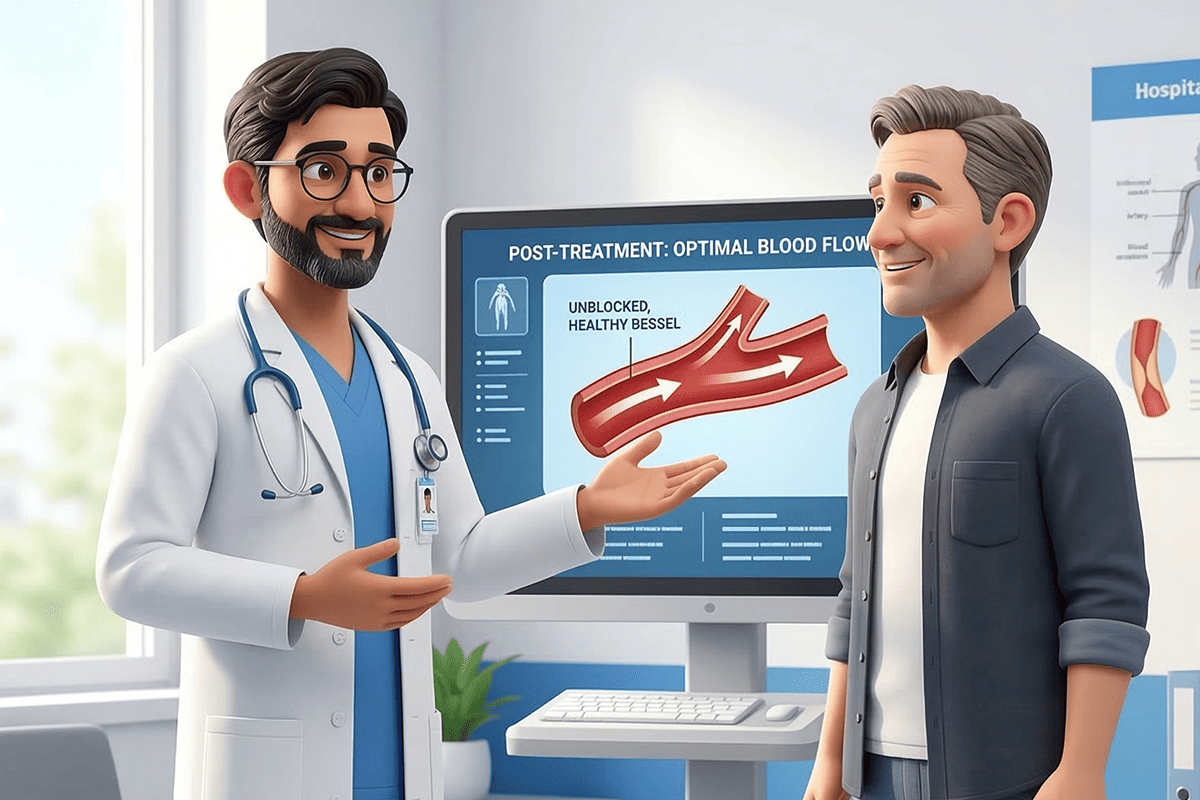
Liver & Biliary Interventional Procedures | Interventional Hepatobiliary Procedures
Embolization | Age: Adults | Geriatrics
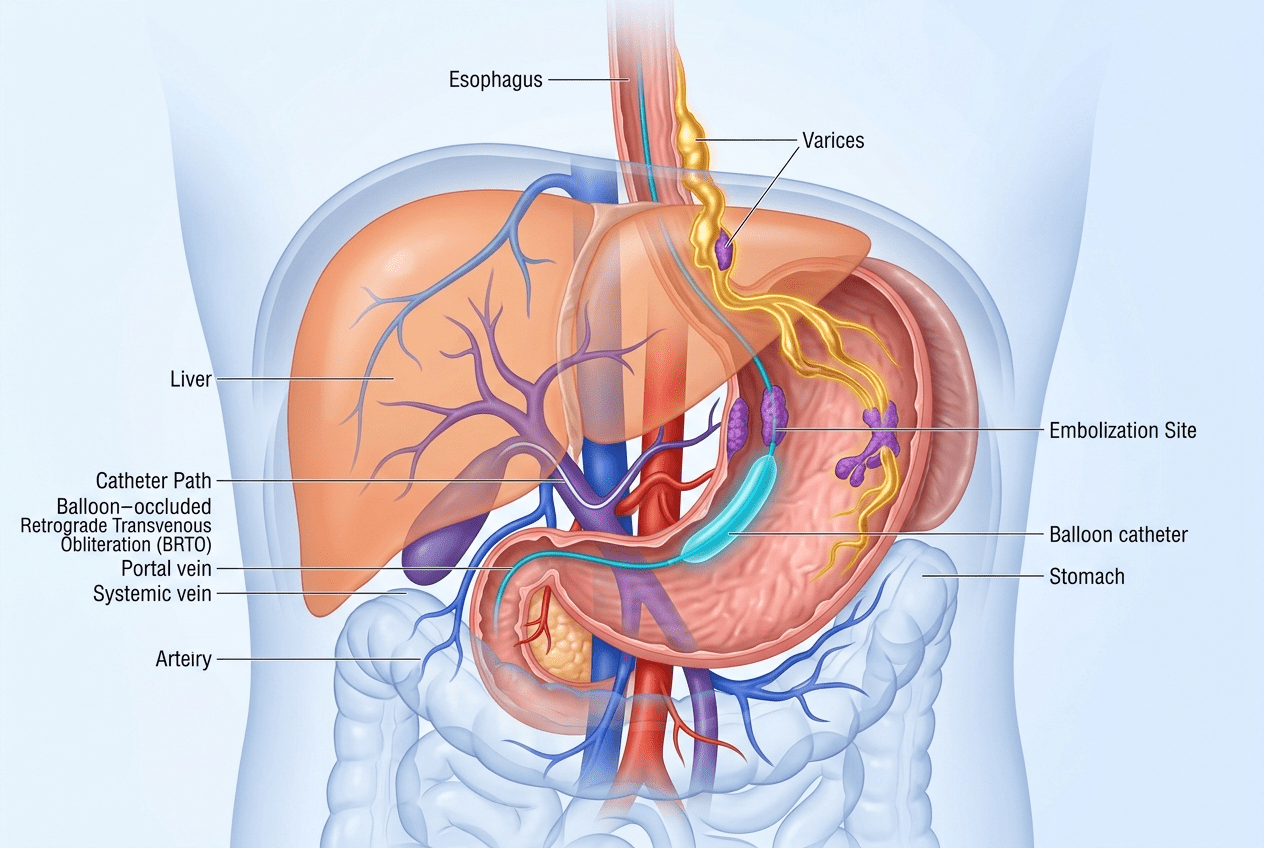
Variceal bleeding treatment using BATO, BRTO, PARTO, and CARTO procedures is a group of minimally invasive embolization techniques designed to control life-threatening bleeding caused by gastric or ectopic varices. These varices develop due to portal hypertension, commonly related to chronic liver disease. Using image guidance, interventional radiologists precisely block abnormal blood flow to the varices, reducing bleeding risk while preserving normal circulation.
These advanced interventional hepatobiliary procedures are often used when endoscopy is unsuccessful or not feasible. By avoiding open surgery, BATO, BRTO, PARTO, and CARTO provide effective bleeding control, symptom relief, and improved outcomes for high-risk liver patients.
Internal links: Liver & Biliary Interventional Procedures, Interventional Hepatobiliary Procedures, Embolization
Variceal embolization procedures are well-established and generally safe when performed by experienced interventional radiologists. Possible risks include temporary abdominal discomfort, fever, or rare vessel complications. Your care team carefully evaluates individual risk factors to ensure safe and effective treatment.
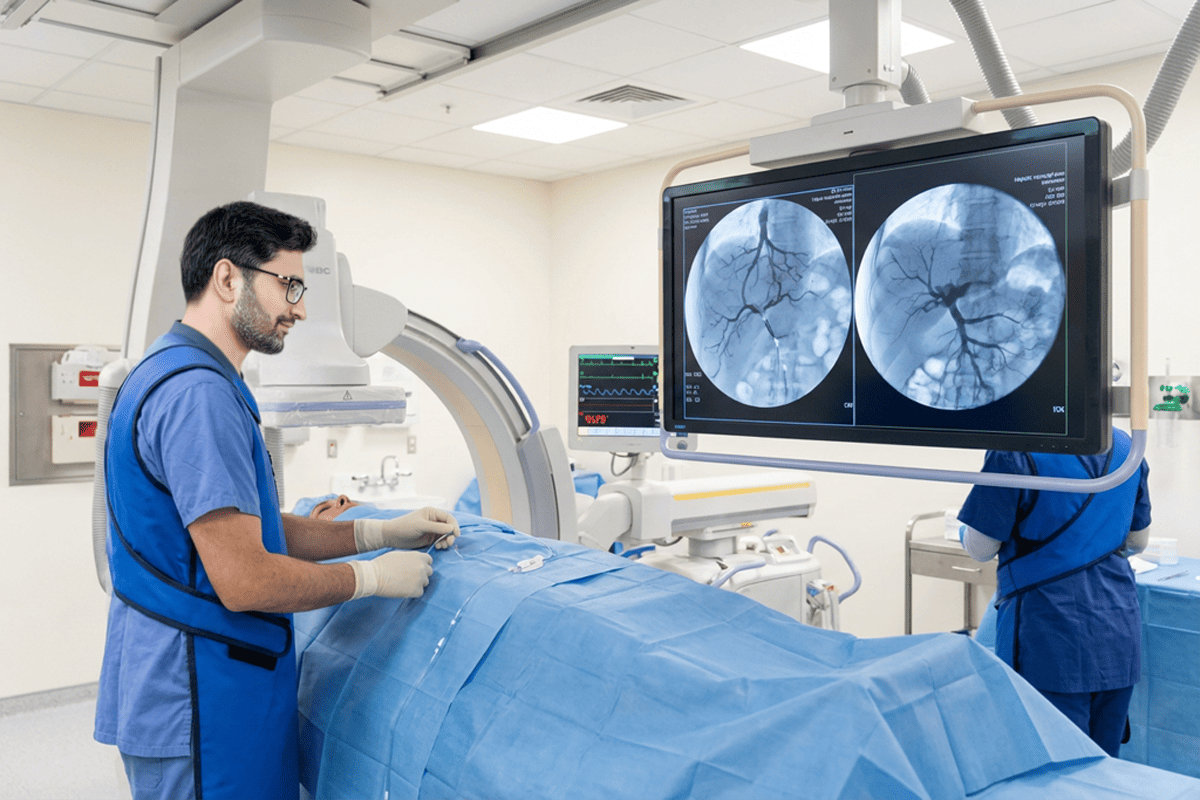
These procedures use different access routes and embolization techniques to treat varices. The choice depends on vein anatomy, bleeding location, and patient condition.
Yes, embolization is highly effective in controlling gastric and ectopic variceal bleeding, especially when endoscopy is not successful.
They are designed to reduce bleeding while preserving liver blood flow. In many patients, symptoms related to portal hypertension improve.
For many patients with advanced liver disease, these minimally invasive options are safer and better tolerated than surgery.
With a commitment to patient comfort, our clinic combines cutting-edge interventional radiology with compassionate care.
connect@drsudhirvasistha.com
Copyright © 2026 All Rights Reserved. Dr. Sudhir Vasistha | Design, Developed & Powered by Better Choice