Liver & Biliary Interventional Procedures | Interventional Hepatobiliary Procedures
Angioplasty/ Stent Placement |
Age: Pediatrics | Adults
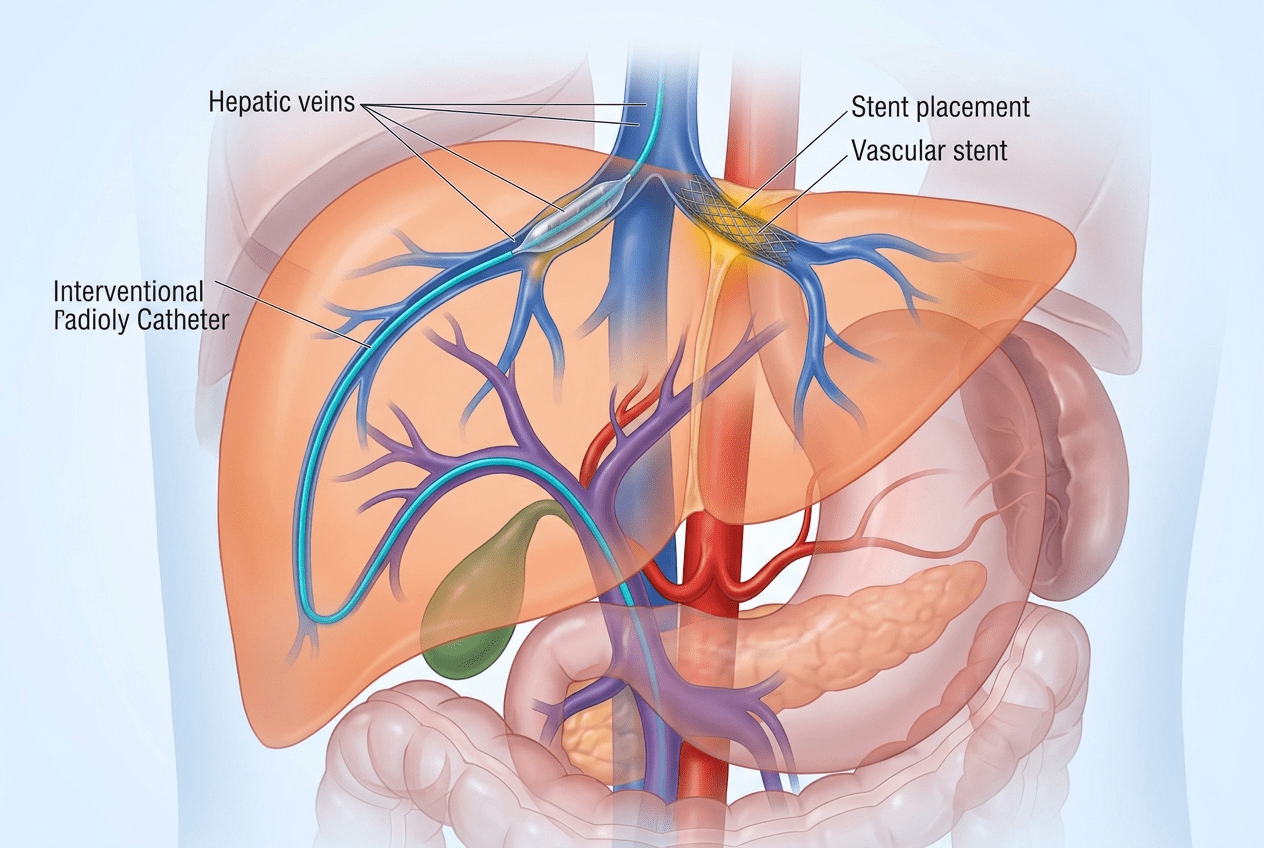
Hepatic vein angioplasty and stenting is a minimally invasive interventional radiology procedure used to restore normal blood flow from the liver in patients with Budd Chiari syndrome or hepatic venous outflow tract obstruction (HVOTO). Using image guidance, a narrowed or blocked hepatic vein is widened with a balloon (angioplasty) and often supported with a stent to keep the vein open. This treatment relieves liver congestion, reduces portal hypertension, and improves liver function without open surgery.
In complex cases of HVOTO where standard access is not possible, a Direct Intrahepatic Portosystemic Shunt (DIPS) may be performed. DIPS creates an alternate pathway for blood flow within the liver, offering effective symptom relief and long-term management for patients who are not candidates for conventional surgical treatments.
Internal links: Liver & Biliary Interventional Procedures, Interventional Hepatobiliary Procedures, Angioplasty / Stent Placement
Hepatic vein angioplasty, stenting, and DIPS are well-established procedures when performed by experienced interventional specialists. Potential risks include bleeding, infection, or stent narrowing over time. These risks are carefully managed through imaging guidance, close monitoring, and follow-up care to ensure patient safety and long-term success.
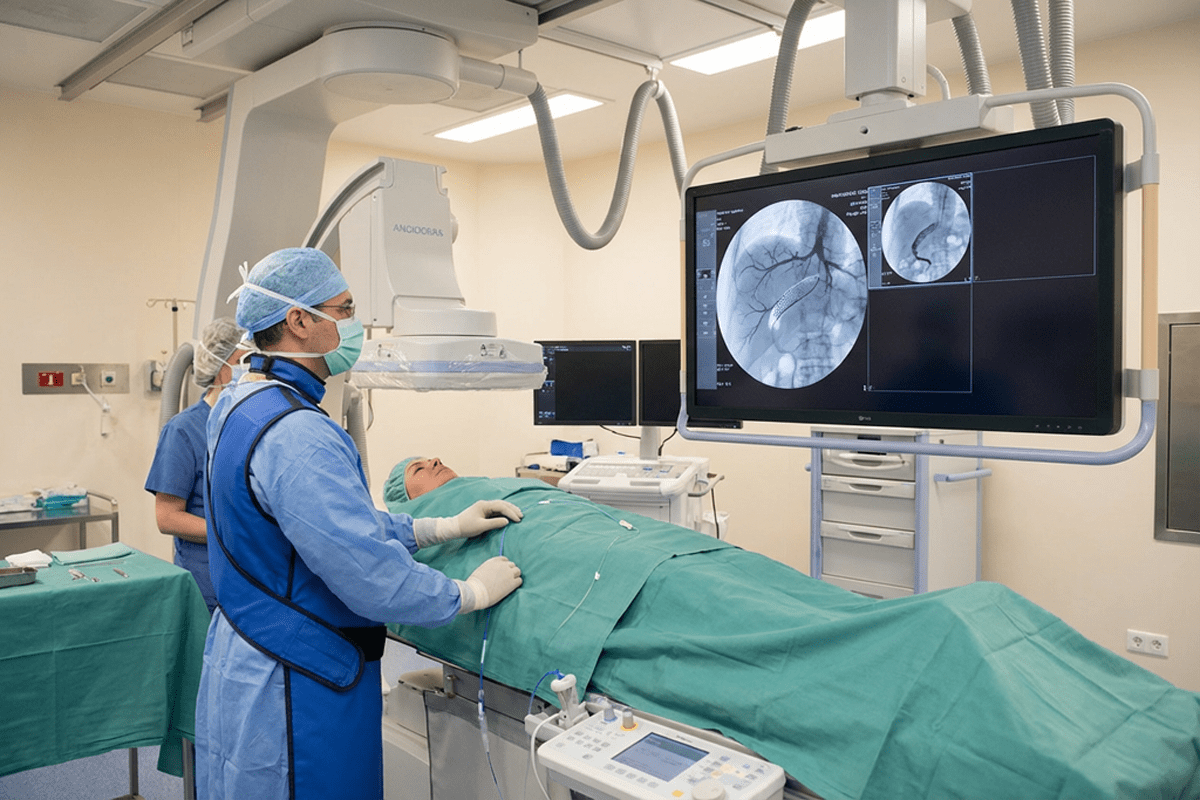
Yes, it is highly effective in restoring hepatic blood flow and relieving symptoms in many patients. Early treatment often improves long-term liver function.
Angioplasty opens narrowed veins, stenting keeps them open long term, and DIPS creates a new internal blood flow pathway when standard routes are blocked.
Hepatic vein stents are designed to be long lasting. Regular follow-up imaging ensures continued patency and early detection of any narrowing.
In many cases, yes. These minimally invasive procedures avoid major surgery and are often used to delay or prevent the need for liver transplantation.
With a commitment to patient comfort, our clinic combines cutting-edge interventional radiology with compassionate care.
connect@drsudhirvasistha.com
Copyright © 2026 All Rights Reserved. Dr. Sudhir Vasistha | Design, Developed & Powered by Better Choice