
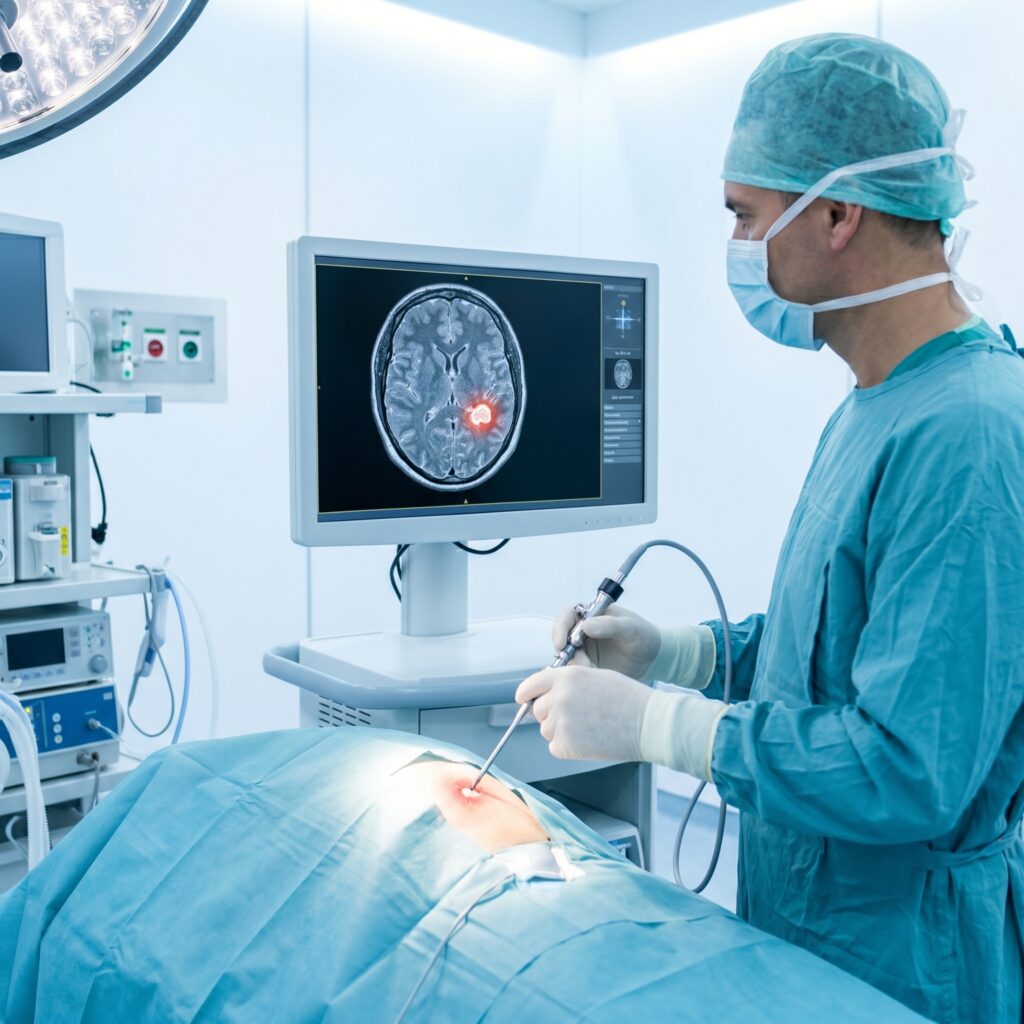
There have been many changes in the healthcare industry over the last few years, and one of the greatest factors in the change has been the evolution of image-guided treatments. With these new practices, doctors can more accurately, safely, and comfortably diagnose and treat complex medical conditions.
Image-guided treatments are any procedures that use advanced imaging (such as ultrasound, CT, MRI, or fluoroscopy) to help. These imaging tools help doctors see internal organs, blood vessels, and tissues in real time when performing treatments. This, in turn, allows for very precise procedures with little or no harm to adjacent healthy tissue.
Minimal invasion is one of the major advantages of the image-guided procedures. Many of the image-guided treatments are made with a small puncture or a small cut compared to traditional surgery, which may involve large incisions and extended recovery times. This helps to drastically reduce pain, bleeding, risk of infection, and hospital stay.
In today’s day and age, image-guided treatment is being utilized in various fields of medicine. They are significant in the treatment of vascular diseases, liver diseases, tumors, uterine fibroids, enlarged prostates, chronic diseases of pain, and internal bleeding. These technologies have made procedures like angioplasty, embolization, tumor ablation, biopsies, and drainage procedures safer and more effective.
Secondly, speedy recovery. The techniques are less invasive, and patients can usually get back to their daily routines much quicker than with standard surgery. Many times hospitalization is very brief or is unnecessary.
Improvements on treatment planning and diagnosis have also been made with the use of image-guided medicine. The early detection of medical conditions and more specific treatments by doctors provides better overall outcomes for patients.
With the advent of new advancements in medical technology, image-guided treatments are an integral part of the modern healthcare system. They represent a movement to smarter, safer, and patient-friendly treatment options, which are more than just disease-focused but also provide a better treatment experience for patients.