Brain & Spine Interventional Procedures | Interventional Pain Management Procedures
Needle Biopsy/injections
Age: Adults | Geriatrics
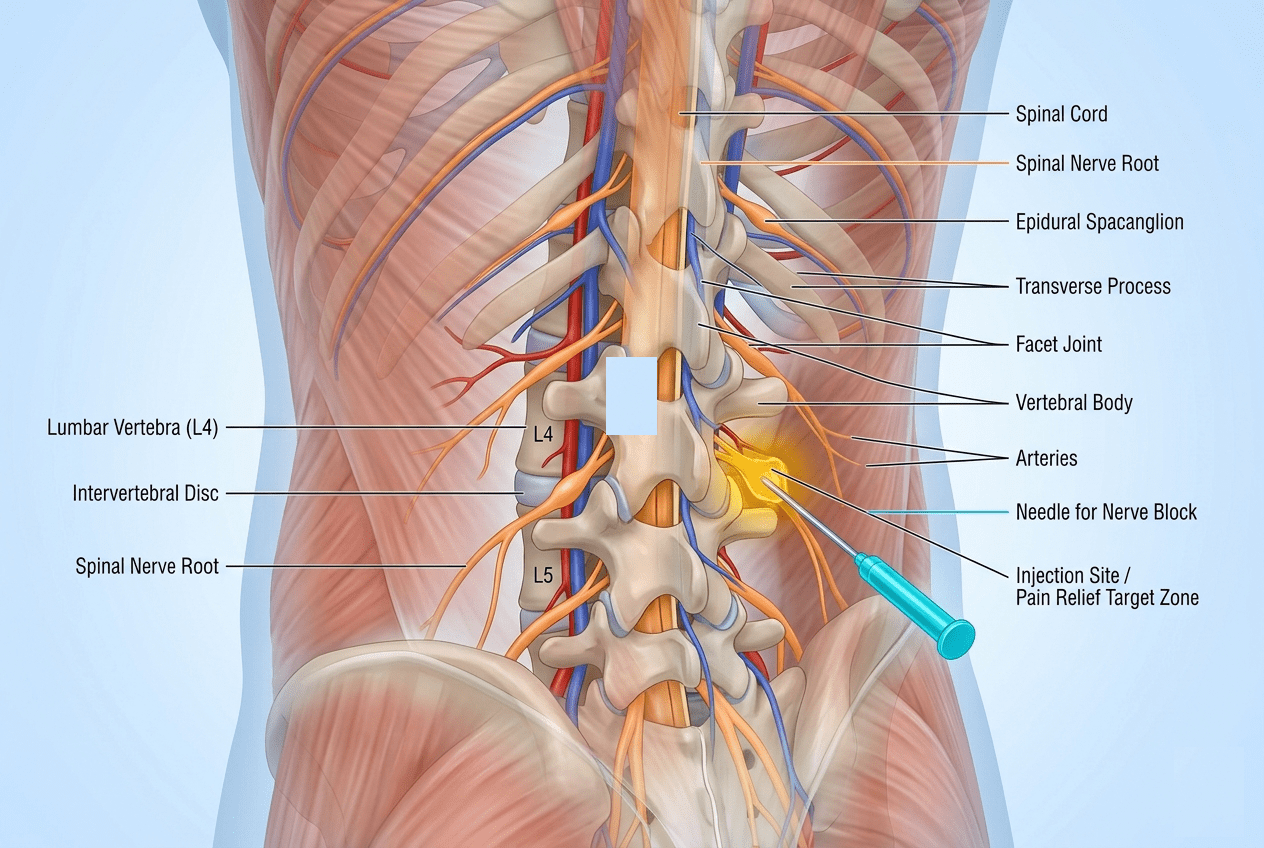
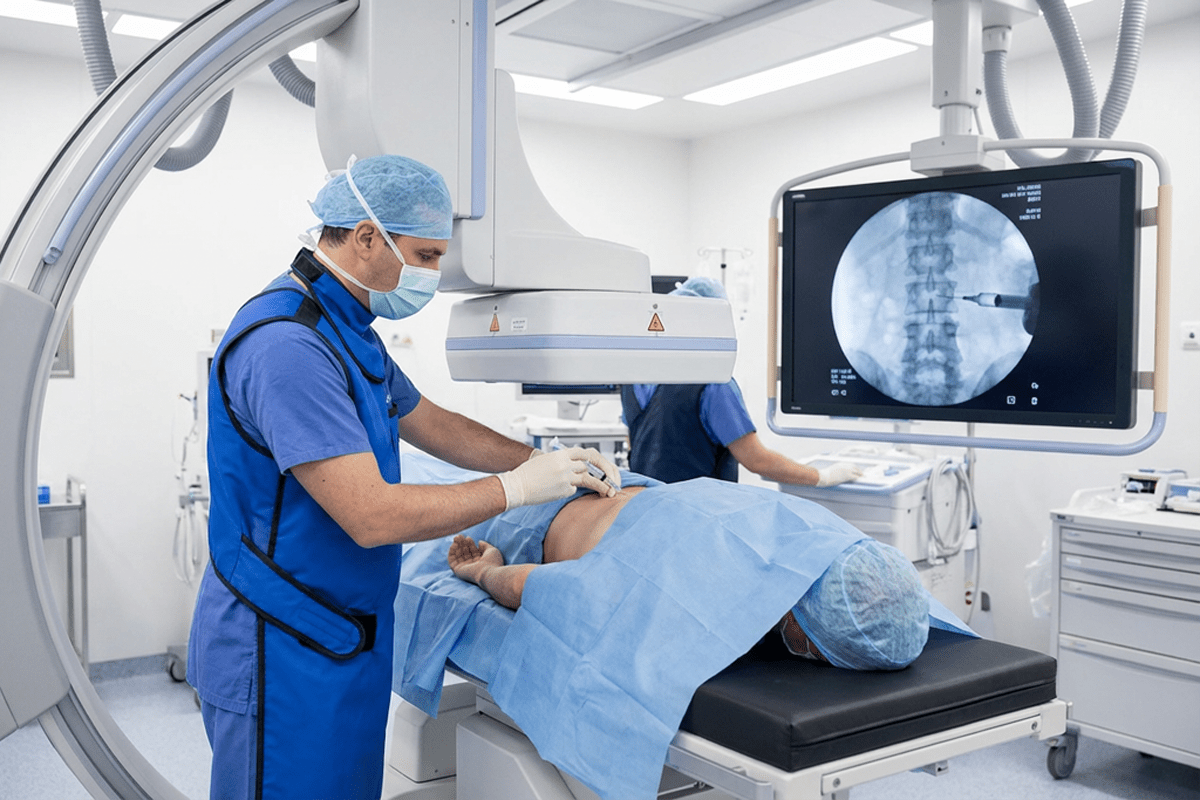
A nerve block procedure is a minimally invasive interventional pain management technique used to diagnose and treat acute or chronic pain by interrupting pain signals sent from specific nerves to the brain. Using image guidance such as ultrasound or fluoroscopy, medication is precisely injected near targeted nerves to provide effective pain relief, reduce inflammation, and improve mobility. Nerve blocks are commonly used in brain and spine interventions to manage neck, back, joint, and nerve-related pain.
This outpatient procedure is often part of a comprehensive pain management plan and may also serve as targeted regional anesthesia for surgical or diagnostic purposes. Nerve blocks can decrease reliance on oral pain medications and help patients return to daily activities with improved comfort and function.
Internal links: Brain & Spine Interventional Procedures, Interventional Pain Management Procedures
Nerve block procedures are generally safe when performed by experienced interventional specialists. Temporary side effects may include soreness at the injection site, numbness, or mild weakness. Serious complications are rare, and all potential risks are carefully discussed to ensure informed and confident care decisions.
Y-90 radioembolization delivers tiny radioactive beads through the liver artery directly to liver tumours.
Y-90 radioembolization (TARE) is used for selected primary or secondary liver tumours, planned by a multidisciplinary team after a mapping angiogram. Suitability varies from person to person and depends on symptoms, test results, imaging and the treating doctor's assessment.
A planning angiogram maps the vessels. In a second visit the beads are delivered through a catheter to the tumour-feeding artery under X-ray guidance. The exact approach is explained to each patient before the procedure.
Every procedure carries some risk. For Y-90 radioembolization (TARE), these can include fatigue, abdominal pain, nausea, changes in liver function, or radiation effect on nearby organs if beads reach them. The risks, benefits and alternatives are discussed with you, and consent is taken before the procedure.
Consultations with interventional radiologist Dr Sudhir Vasistha (MBBS, MD Radiodiagnosis, PDCC Interventional Radiology; Medical Council Reg. No. 57728/24909) take place at Mittal Medihub, Patel Marg, Mansarovar, Jaipur. Bring your reports and scans so the doctor can assess whether Y-90 radioembolization (TARE) may be relevant in your case. Contact details are on the Contact Us page.
Our clinic provides interventional radiology services with a focus on patient comfort and respectful care.
Dr Sudhir Vasistha, MBBS, MD (Radiodiagnosis), PDCC (Interventional Radiology). Medical Council Reg. No: 57728/24909 (Rajasthan/Delhi)
connect@drsudhirvasistha.com
Copyright © 2026 All Rights Reserved. Dr. Sudhir Vasistha | Design, Developed & Powered by Better Choice