Pain & Palliative Interventional Procedures | Interventional Pain Management Procedures
Injections | Age: Adults | Geriatrics
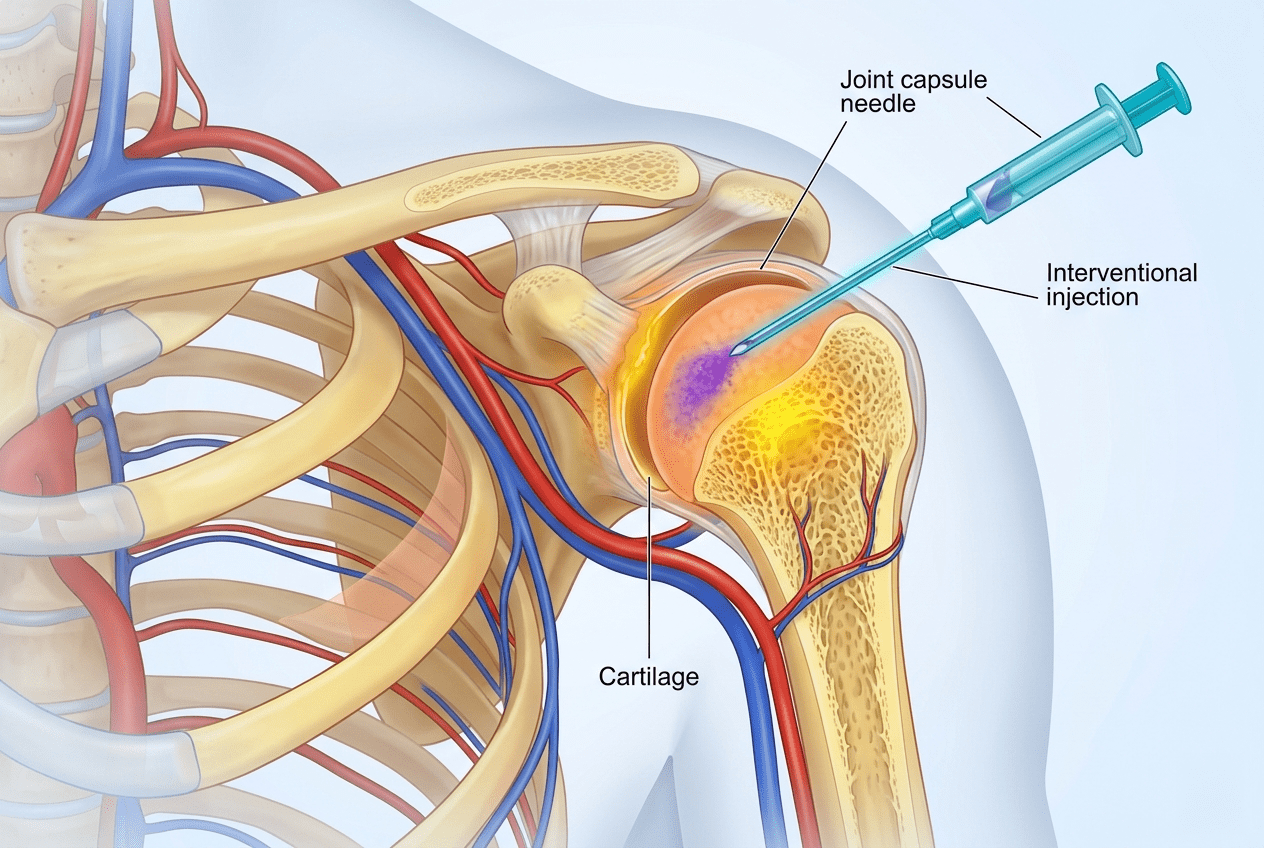
Joint pain management using steroid injections, Platelet-Rich Plasma (PRP) therapy, and Botox is a minimally invasive approach to relieve pain, reduce inflammation, and improve mobility in patients with arthritis and musculoskeletal injuries. These image-guided interventional pain management procedures target the source of pain directly within the joint, helping control symptoms while avoiding surgery. They are commonly used for knee, shoulder, hip, spine, and small joint conditions.
These outpatient injection therapies are tailored to the underlying cause of pain. Steroid injections reduce inflammation, PRP promotes natural healing using the patient’s own blood components, and Botox helps relax overactive muscles contributing to joint pain. Together, they offer effective, personalized pain relief with minimal downtime.
Internal links: Pain & Palliative Interventional Procedures, Interventional Pain Management Procedures, Injections
Joint injections are generally safe when performed by experienced interventional pain specialists. Temporary soreness, swelling, or bruising at the injection site may occur. Serious complications such as infection or nerve injury are rare, and imaging guidance helps ensure accuracy and safety.

The best option depends on the type and severity of arthritis. Steroids reduce inflammation quickly, PRP supports tissue healing, and Botox helps when muscle overactivity contributes to pain.
Relief can last from weeks to several months. PRP often provides longer-lasting improvement compared to steroid injections.
Most patients feel only mild pressure or brief discomfort. Local anesthesia and imaging guidance help minimize pain.
Yes, for many patients, injection therapy can delay or reduce the need for surgery by effectively managing pain and improving function.
With a commitment to patient comfort, our clinic combines cutting-edge interventional radiology with compassionate care.
connect@drsudhirvasistha.com
Copyright © 2026 All Rights Reserved. Dr. Sudhir Vasistha | Design, Developed & Powered by Better Choice