Oncology Interventional Procedures | Interventional Musculoskeletal Procedures
Embolization | Age: Pediatrics | Adults
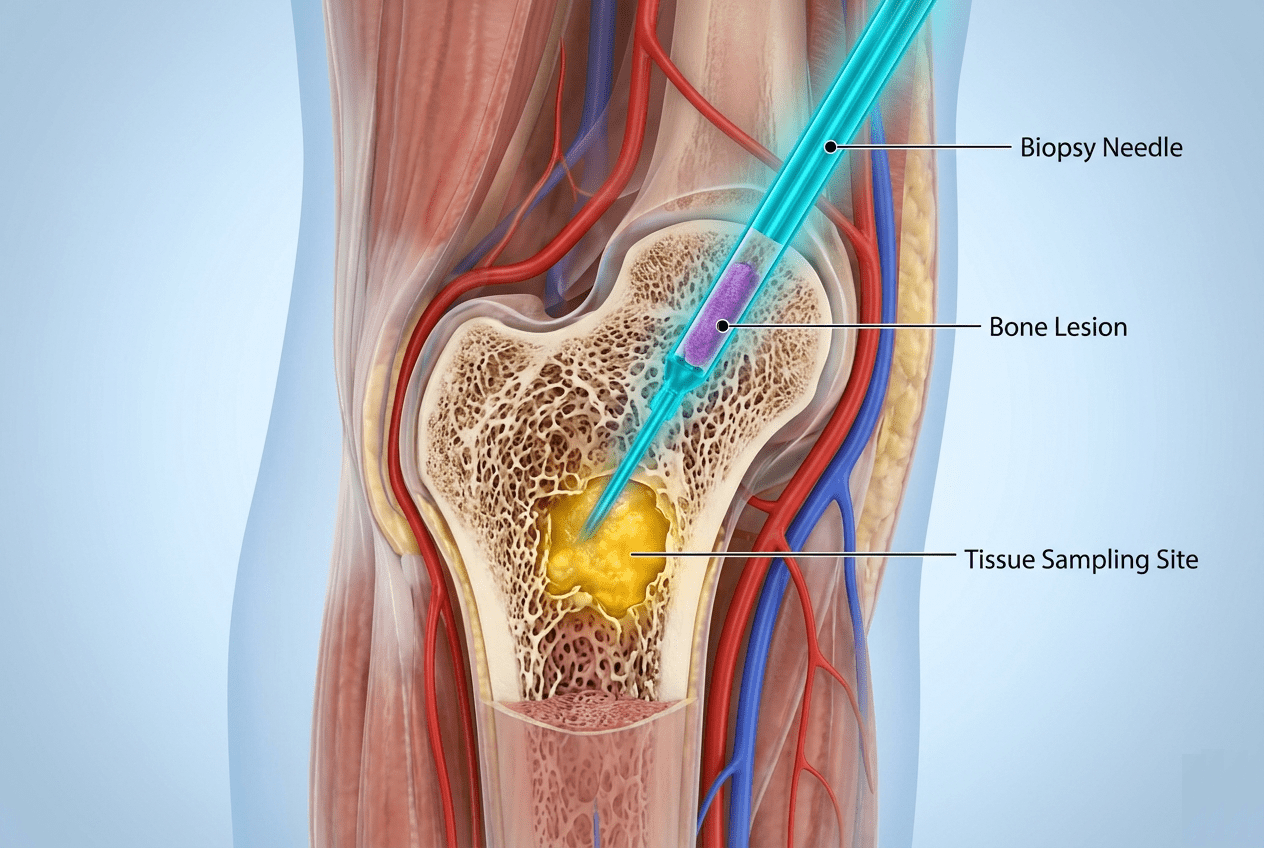
Bone biopsy and musculoskeletal (MSK) tumor embolization are minimally invasive interventional radiology procedures used to diagnose and manage benign or malignant tumors affecting bones and soft tissues. Image-guided bone biopsy allows precise sampling of abnormal bone or musculoskeletal lesions using CT or ultrasound, enabling accurate diagnosis with minimal disruption to surrounding tissue. MSK tumor embolization reduces blood supply to tumors, helping control pain, bleeding, or tumor growth.
These procedures are commonly used together in oncology care to guide treatment planning, reduce surgical risk, or relieve symptoms. Performed without open surgery, they offer faster recovery, lower complication rates, and improved patient comfort while supporting effective cancer and tumor management.
Internal links: Oncology Interventional Procedures, Interventional Musculoskeletal Procedures, Embolization
Bone biopsy and MSK tumor embolization are generally safe when performed by experienced interventional radiologists. Potential risks include bruising, bleeding, infection, or temporary pain at the treatment site. These risks are uncommon and are carefully minimized through precise imaging guidance and individualized care planning.
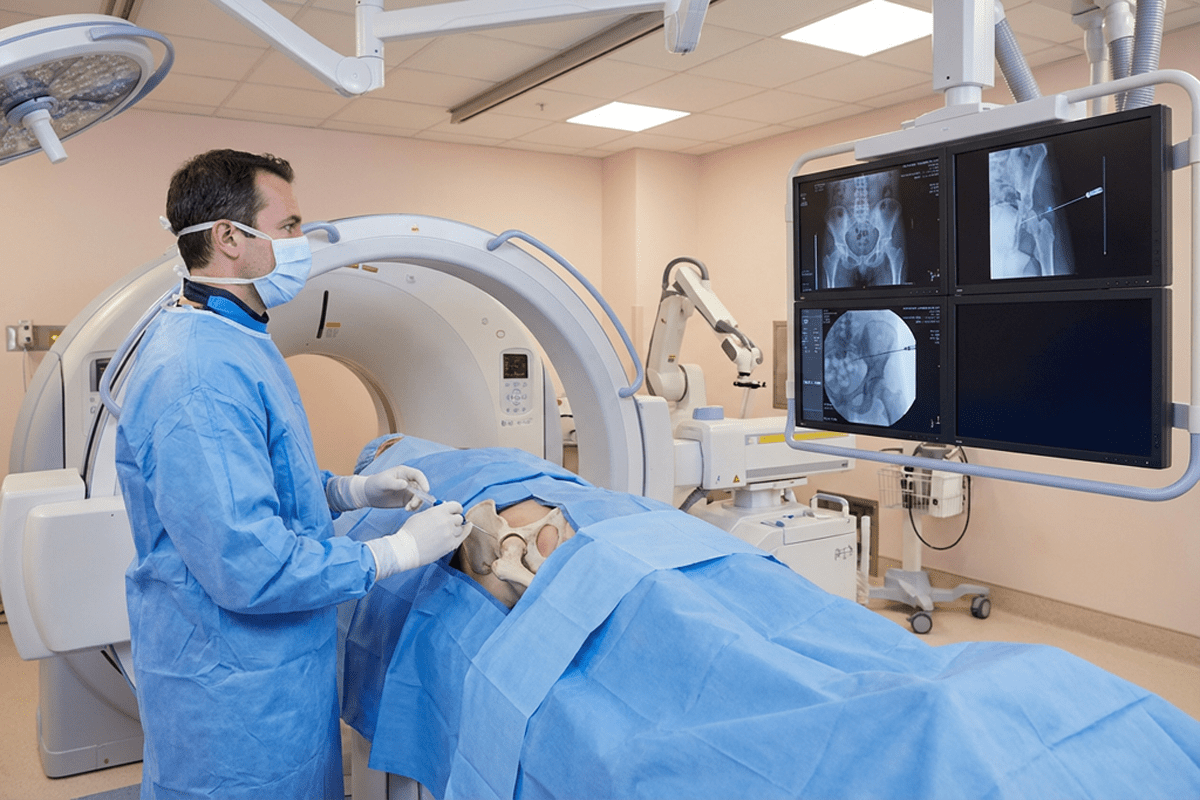
A bone biopsy confirms the type of tumor and guides the most effective treatment plan. It helps avoid unnecessary surgery and ensures accurate diagnosis.
Embolization reduces blood flow to the tumor, helping control pain, bleeding, or tumor size. It may also be used before surgery to reduce blood loss.
Most patients experience minimal discomfort. Local anesthesia and sedation help make the procedure well tolerated.
In some cases, embolization can control symptoms or slow tumor growth. Surgery may still be needed depending on tumor type and location.
With a commitment to patient comfort, our clinic combines cutting-edge interventional radiology with compassionate care.
connect@drsudhirvasistha.com
Copyright © 2026 All Rights Reserved. Dr. Sudhir Vasistha | Design, Developed & Powered by Better Choice