Oncology Interventional Procedures | Interventional Cancer Procedures
Cancer Treatment | Age: Adults | Geriatrics
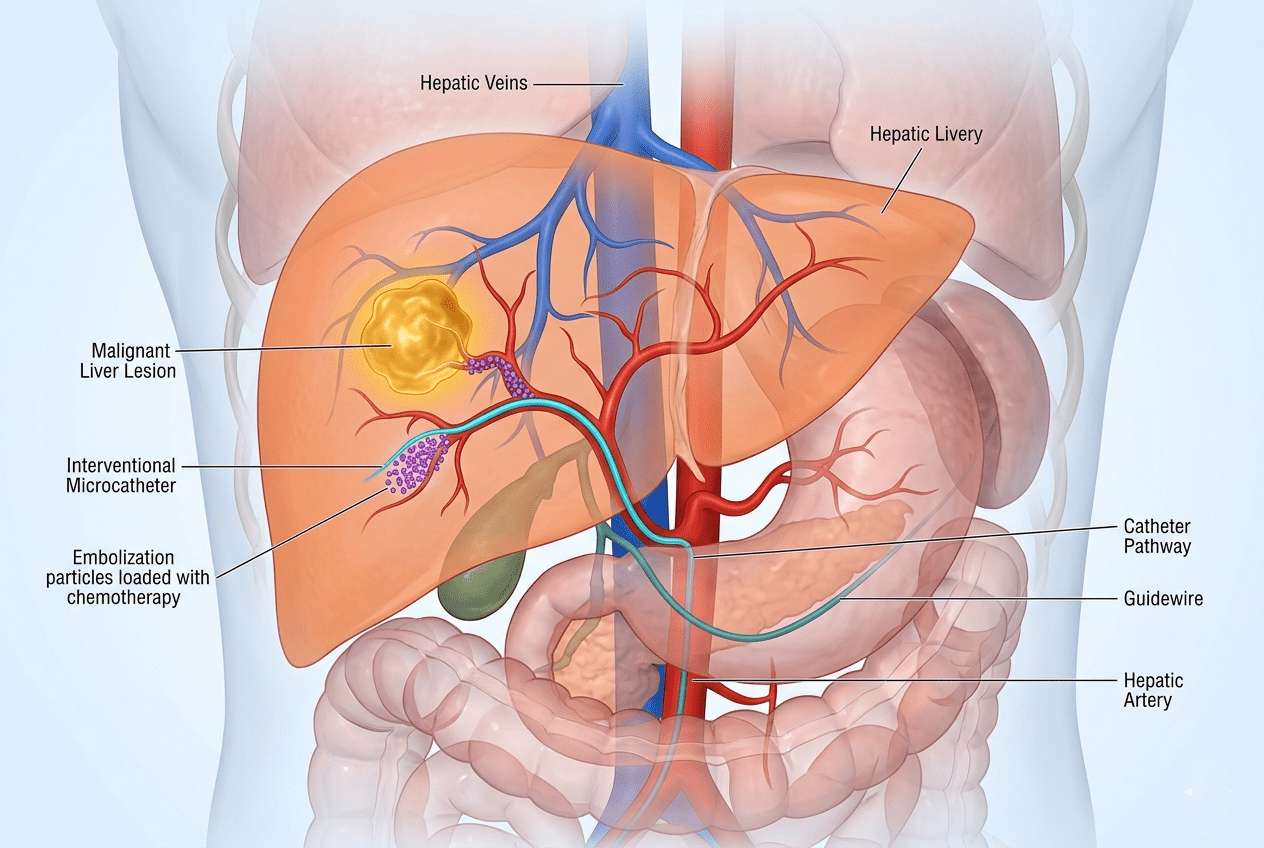
Liver cancer transarterial therapies are minimally invasive interventional oncology treatments designed to target liver tumors directly through their blood supply. Techniques such as Transarterial Chemoembolization (TACE), Drug-Eluting Bead TACE (DEB-TACE), and Y-90 Radioembolization (TARE) deliver chemotherapy or radiation precisely to the tumor while limiting exposure to healthy liver tissue. Using image guidance, these therapies slow tumor growth, reduce symptoms, and can downstage disease for additional treatment options.
Commonly used for primary liver cancer and selected metastatic disease, these catheter-based treatments are alternatives or complements to surgery and systemic therapy. They are performed with a focus on tumor control, quality of life, and preservation of liver function.
Internal links: Oncology Interventional Procedures, Interventional Cancer Procedures, Cancer Treatment
Liver cancer transarterial therapies are well established and generally safe when performed by experienced interventional oncologists. Possible risks include post-embolization syndrome (pain, fever, fatigue), infection, or temporary changes in liver function. Careful patient selection and imaging guidance help minimize complications and maximize treatment
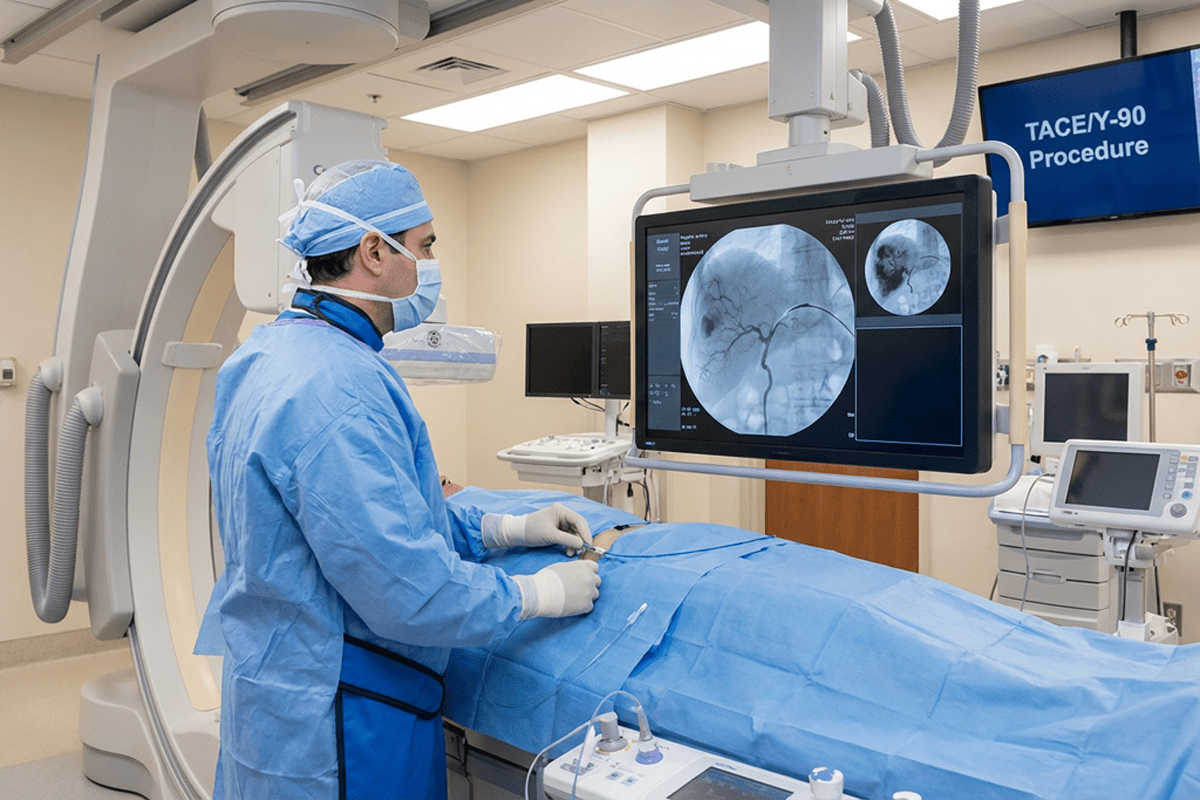
TACE uses chemotherapy mixed with embolic material, DEB-TACE uses drug-eluting beads for controlled drug release, and Y-90 delivers targeted internal radiation. The choice depends on tumor type, size, and liver function.
Yes, Y-90 is a form of internal radiation delivered directly to liver tumors. It limits radiation exposure to surrounding healthy tissue.
They are primarily used to control tumor growth and prolong survival. In some cases, they can downstage tumors for surgery or transplant.
This varies by tumor response and overall health. Some patients require a single session, while others benefit from staged or repeat treatments.
With a commitment to patient comfort, our clinic combines cutting-edge interventional radiology with compassionate care.
connect@drsudhirvasistha.com
Copyright © 2026 All Rights Reserved. Dr. Sudhir Vasistha | Design, Developed & Powered by Better Choice