Brain & Spine Interventional Procedures | Interventional Pain Management Procedures
Needle Biopsy/injections
Age: Adults | Geriatrics
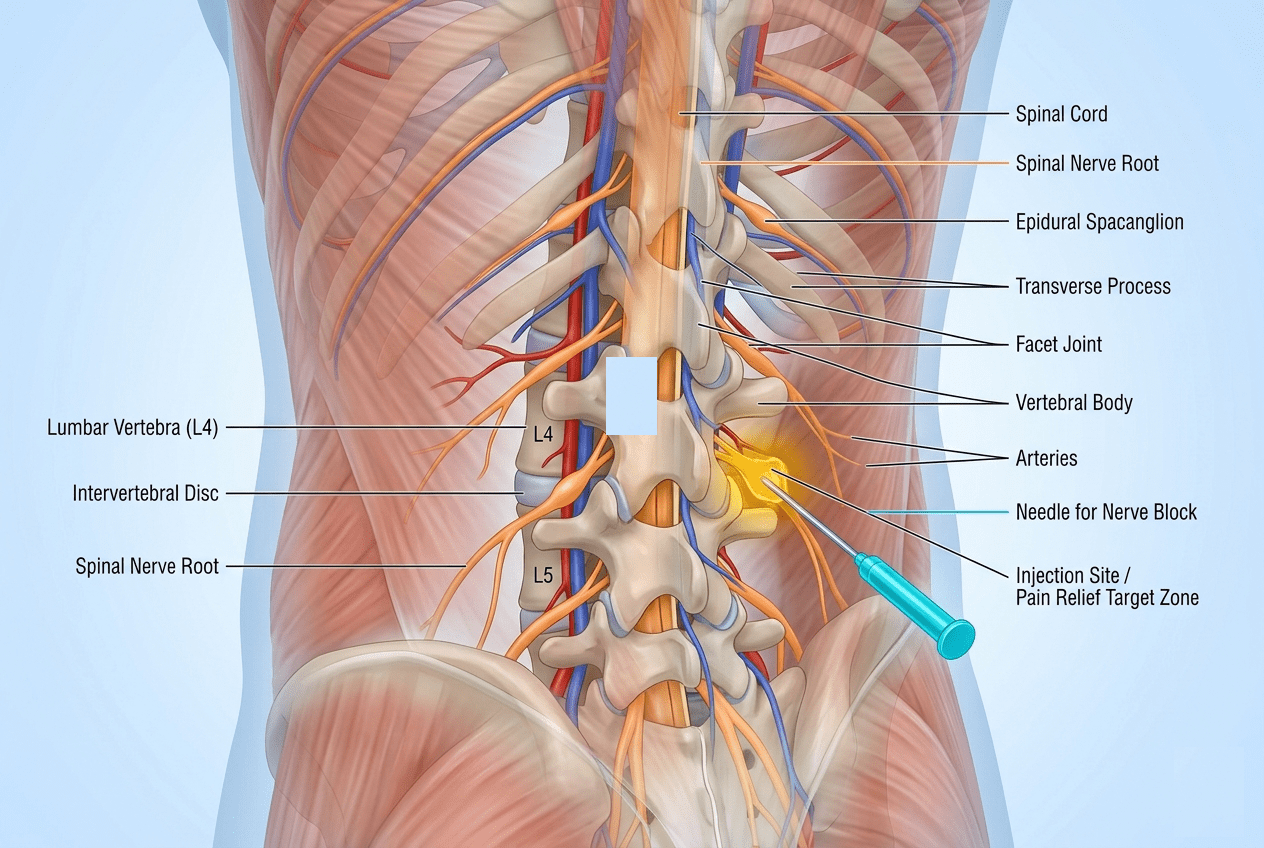
A nerve block procedure is a minimally invasive interventional pain management technique used to diagnose and treat acute or chronic pain by interrupting pain signals sent from specific nerves to the brain. Using image guidance such as ultrasound or fluoroscopy, medication is precisely injected near targeted nerves to provide effective pain relief, reduce inflammation, and improve mobility. Nerve blocks are commonly used in brain and spine interventions to manage neck, back, joint, and nerve-related pain.
This outpatient procedure is often part of a comprehensive pain management plan and may also serve as targeted regional anesthesia for surgical or diagnostic purposes. Nerve blocks can decrease reliance on oral pain medications and help patients return to daily activities with improved comfort and function.
Internal links: Brain & Spine Interventional Procedures, Interventional Pain Management Procedures
Nerve block procedures are generally safe when performed by experienced interventional specialists. Temporary side effects may include soreness at the injection site, numbness, or mild weakness. Serious complications are rare, and all potential risks are carefully discussed to ensure informed and confident care decisions.
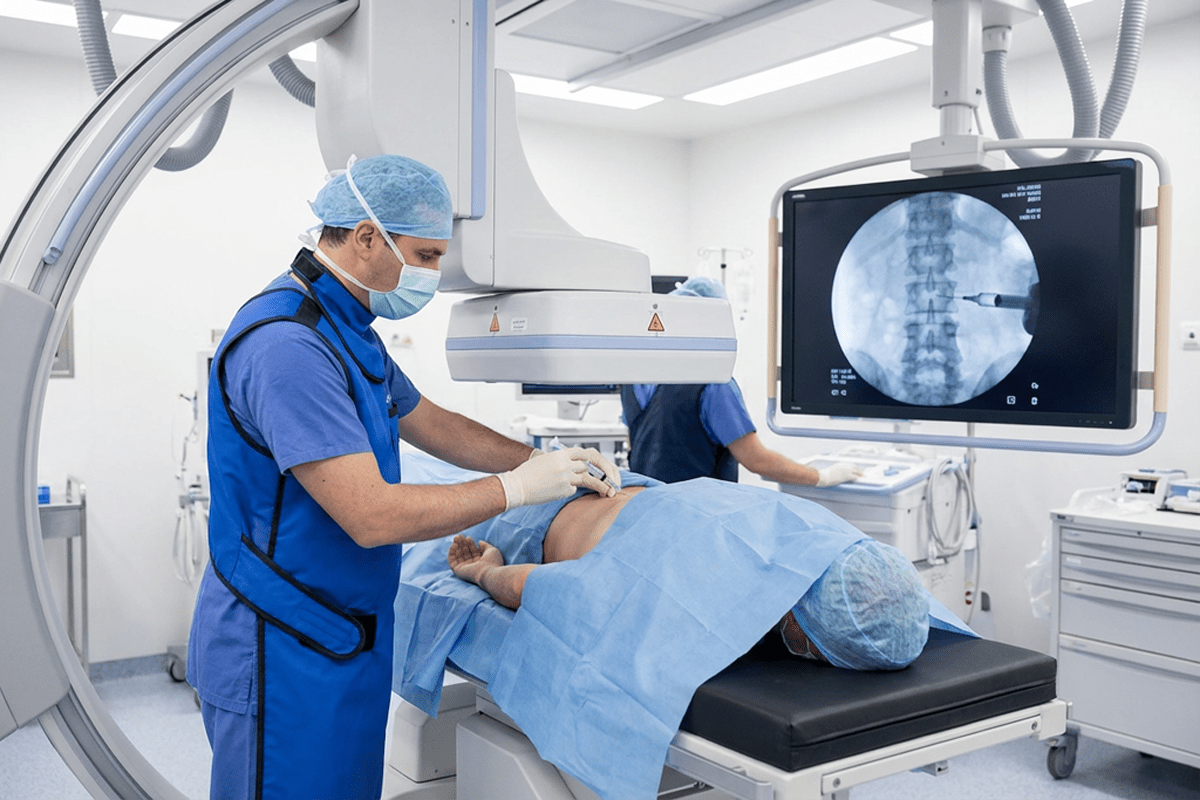
Pain relief can last from days to several months, depending on the medication used and the condition treated. Some patients benefit from repeat nerve blocks as part of ongoing pain management.
No, while both are pain-relief injections, nerve blocks target specific nerves, whereas epidural injections treat a broader spinal area. Your provider will recommend the best option for your pain.
Most patients report only mild discomfort during the injection. Local anesthesia and image guidance help ensure comfort and accuracy.
Yes, nerve blocks can help identify the source of pain. If pain relief occurs, it confirms the targeted nerve as a pain generator and helps guide future treatment.
With a commitment to patient comfort, our clinic combines cutting-edge interventional radiology with compassionate care.
connect@drsudhirvasistha.com
Copyright © 2026 All Rights Reserved. Dr. Sudhir Vasistha | Design, Developed & Powered by Better Choice