Brain & Spine Interventional Procedures | Interventional Pain Management Procedures
Injections | Age: Adults
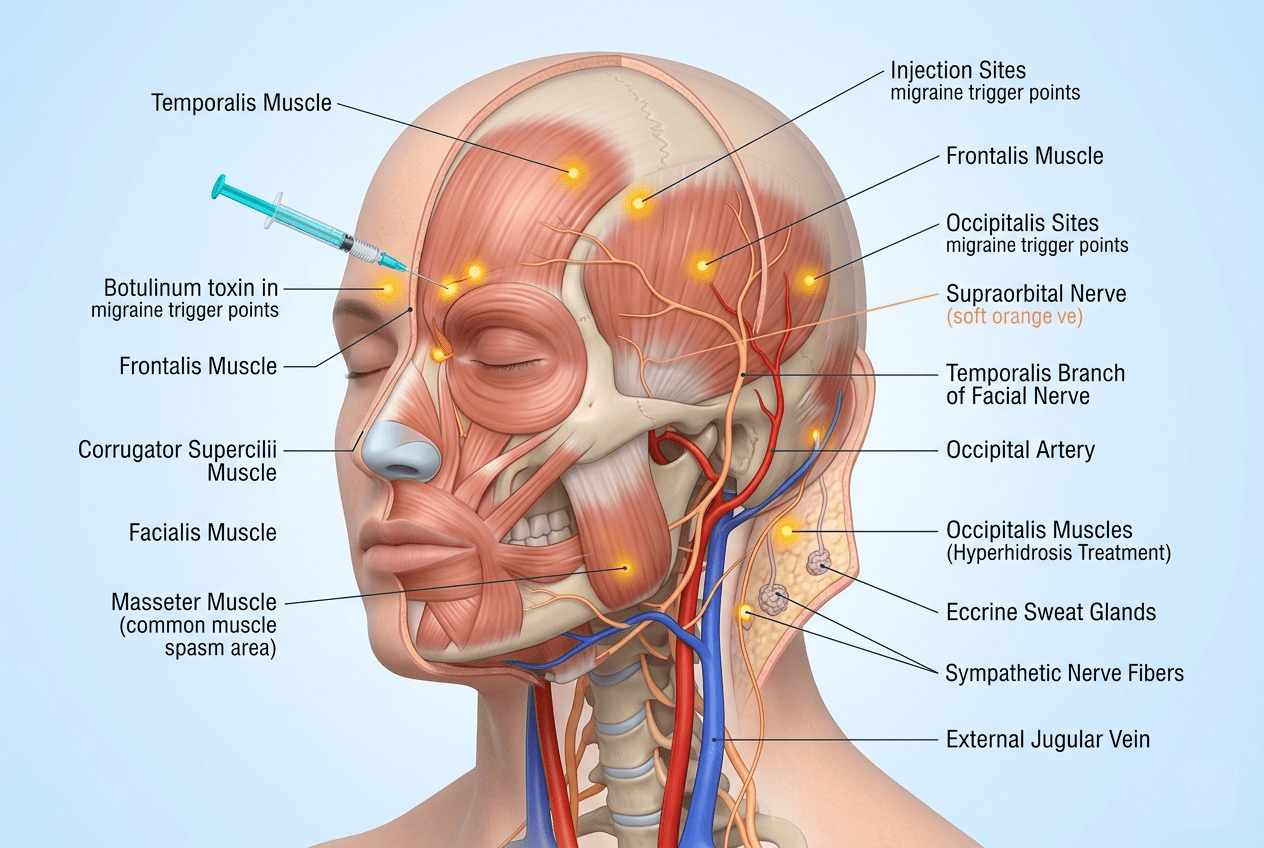
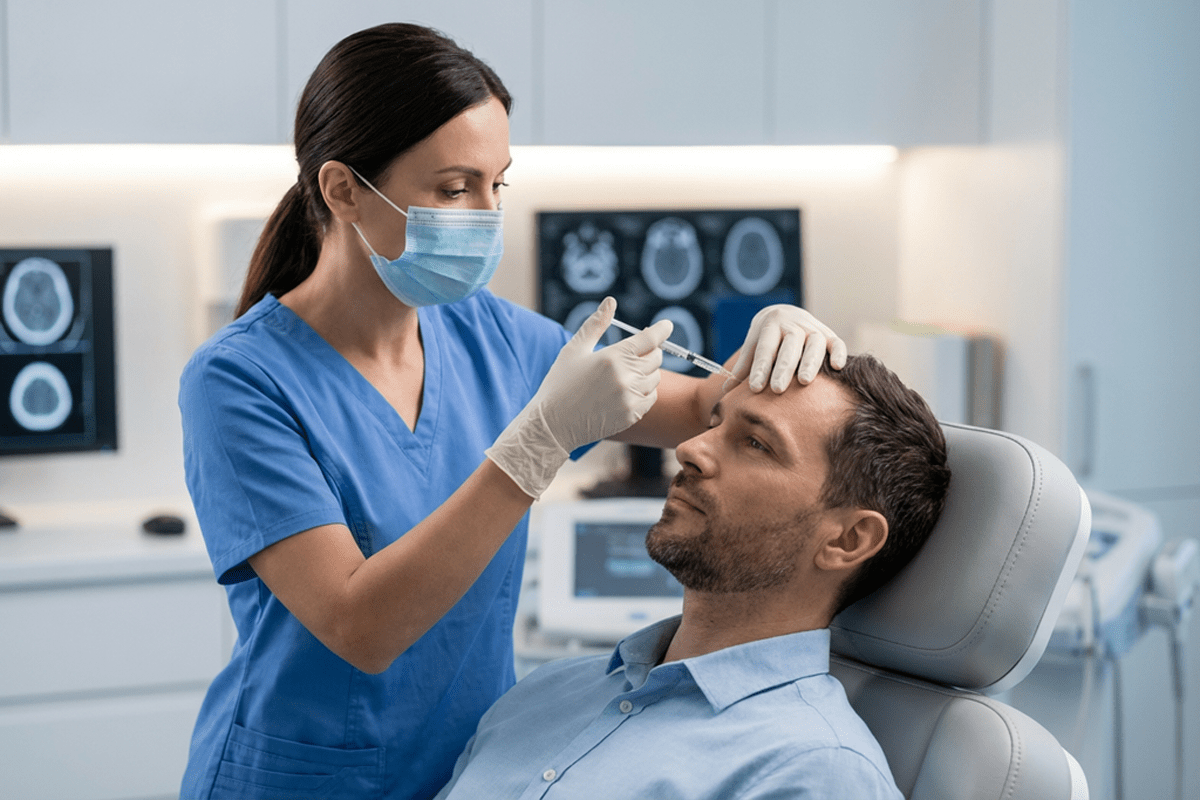
Botox injections are a minimally invasive, non-surgical treatment used to manage chronic migraines, excessive sweating (hyperhidrosis), and muscle spasm conditions. Botox works by blocking nerve signals that trigger pain, muscle overactivity, or sweat gland stimulation. In interventional pain management and brain & spine care, this targeted therapy helps reduce symptom frequency and severity while improving daily function and comfort.
Commonly performed in an outpatient setting, Botox injections are precise, quick, and require little downtime. Patients often choose this treatment to avoid surgery, reduce medication dependence, and gain long-lasting symptom relief with a proven safety profile.
Internal links: Brain & Spine Interventional Procedures, Interventional Pain Management Procedures
Botox Injections
Minimally invasive, no major incision
Performed as an outpatient procedure
Faster recovery and minimal downtime
Lower risk of complications
Targeted symptom relief
Traditional Surgery
Requires surgical cuts
Longer hospital stay
Extended recovery period
Higher surgical risks
Less precise intervention
The specialist identifies specific muscles or nerve-related trigger points.
Small, controlled doses of Botox are injected using a fine needle.
Long-lasting radiance
Botox injections are generally safe when performed by experienced specialists. Temporary side effects may include mild bruising, headache, or localized weakness. Serious complications are rare, and your provider will discuss personalized risks to ensure informed, confident decision-making.
Relief typically lasts three to six months. Many patients schedule repeat treatments to maintain consistent symptom control.
No, Botox is not permanent. It significantly reduces sweating for several months, after which treatments can be safely repeated.
Most patients describe the injections as mild and brief. Discomfort is minimal and well tolerated without sedation.
Improvement usually begins within a few days, with full benefits noticeable in one to two weeks.
With a commitment to patient comfort, our clinic combines cutting-edge interventional radiology with compassionate care.
connect@drsudhirvasistha.com
Copyright © 2026 All Rights Reserved. Dr. Sudhir Vasistha | Design, Developed & Powered by Better Choice